August 20, 2026
Throughout the middle of the previous century, builders utilized hazardous materials in construction projects across the globe. Manufacturers praised these substances for enhanced fire resistance and robust durability. Property owners discover these components lurking within thick insulation, floor tiles, and ceiling panels. Undisturbed materials pose minimal threat, but degrading structures create significant health hazards for occupants. Awareness of these hidden dangers remains critical for property managers and homeowners alike.
Exposure to microscopic airborne fibers causes severe respiratory illnesses over extended periods. Because the naked eye lacks the ability to detect these particles, unverified visual inspections provide inadequate protection. Untrained individuals attempting amateur extractions exacerbate contamination risks. To ensure safety, property owners must recognize specific scenarios requiring expert intervention. Contacting a professional asbestos removal service mitigates exposure risks and guarantees compliance with environmental regulations governing hazardous waste disposal.
Observing Visible Signs of Material Deterioration
Building materials degrade over decades of environmental exposure and general wear. Insulation on boiler pipes may begin flaking and crumbling without warning. Ceiling tiles can show water damage and subsequent structural weakening following roof leaks. Floor mastics and heavy adhesives become brittle and prone to cracking under continuous foot traffic. Such degradation releases hazardous fibers into the surrounding atmosphere, demanding immediate attention from qualified remediation personnel to ensure safety.
Homeowners must monitor aging structures for any signs of physical breakdown. Peeling textures on walls or ceilings indicate a loss of material integrity. When components reach this friable state, passing air currents can distribute harmful particles throughout a building ventilation system. Untrained residents lack the equipment to stabilize these environments. An accredited asbestos removal service possesses the containment technology to isolate the hazard and protect the remaining structure.
Attempting to patch or seal crumbling materials without proper knowledge worsens the situation. Disturbance during amateur repairs forces dormant fibers into breathable airspace. Specialists utilize industrial vacuums equipped with advanced filtration to capture loose debris. These technicians wear specialized respiratory gear and thick protective suits during the initial assessment phase. Their technical expertise prevents cross-contamination of unaffected rooms and preserves the safety of adjacent living spaces.
Addressing structural degradation requires a systematic approach prioritizing occupant safety above all else. Experts apply encapsulating sealants or perform complete extractions based on the severity of the decay. They establish negative air pressure zones to prevent particle migration during the remediation process. Property managers protect their financial investments and the health of their tenants by securing professional assistance. Prompt action stops minor degradation from escalating into major health crises.
Planning Major Structural Property Renovations
Remodeling projects involve breaking down walls and tearing up floors. Such destructive activities disturb hidden structural elements harboring dangerous fibers. Scraping popcorn ceilings releases massive quantities of microscopic dust into the indoor environment. According to Community Commons, there are as many as 107,000 buildings in the United States that contain asbestos. Homeowners initiating substantial interior upgrades must consider these hidden threats before beginning the physical demolition tasks required for modernizing spaces.
Because these older structures pepper the national landscape, contractors must proceed with extreme caution. Before wielding demolition tools, property owners need comprehensive material testing. Inspectors collect physical samples from planned renovation zones to identify potential hazards. Discovering toxic substances during a remodel causes severe schedule delays and unexpected financial expenses. Prioritizing proactive material assessments ensures seamless project continuation and protects general construction crews from invisible dangers.
If testing reveals hazardous materials in the renovation path, property owners must halt all amateur work. Standard construction crews lack the licensing to handle toxic debris. At this critical stage, contracting an asbestos removal service becomes mandatory to proceed. These remediation experts clear the designated space before general contractors return to complete the aesthetic updates. This divided workflow ensures a clean slate for the new construction phase.
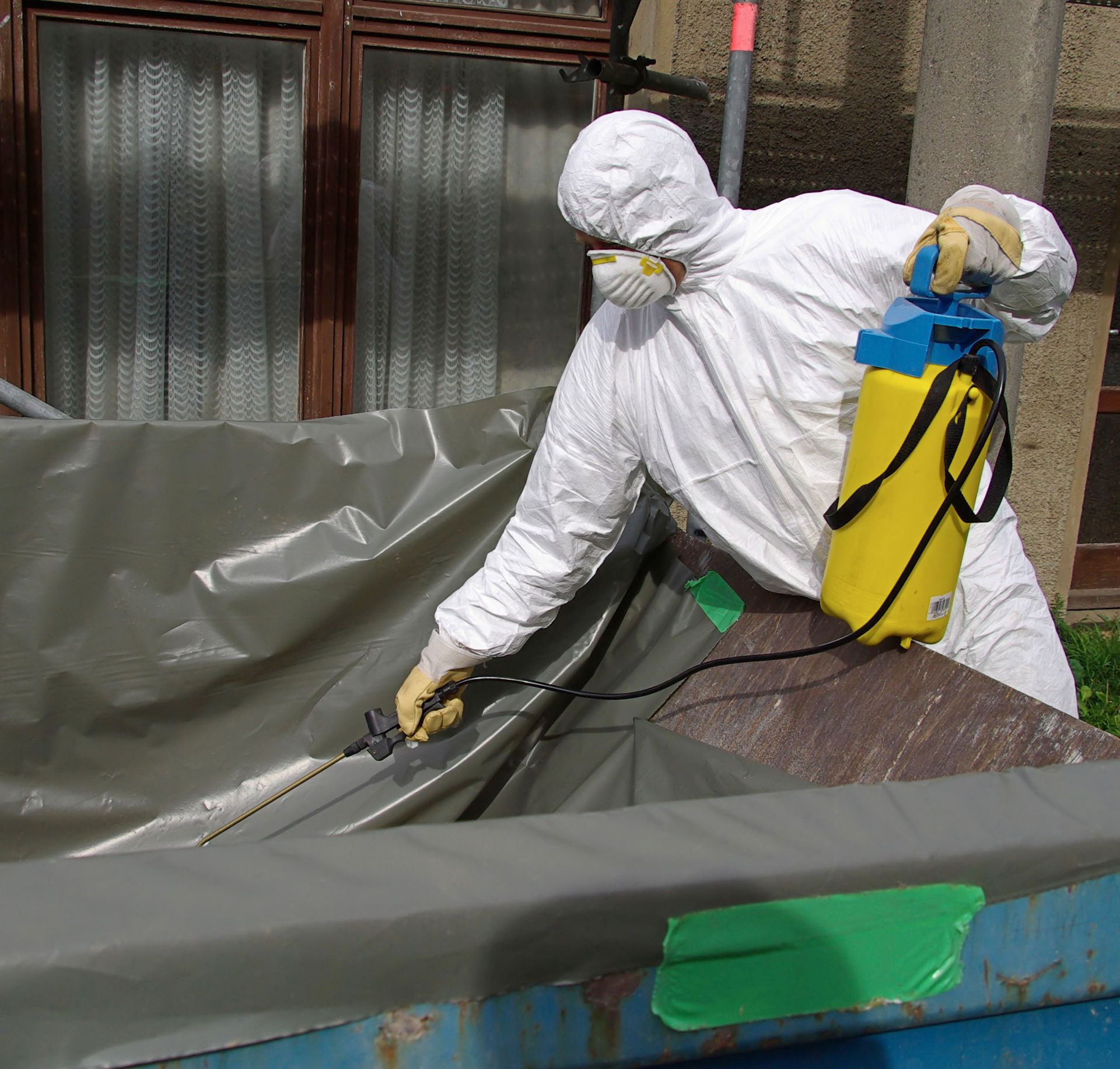
A coordinated effort between demolition teams and hazardous material specialists streamlines the overall renovation timeline. Remediation workers wet down the targeted area to suppress dust generation. They seal the resulting debris in thick containers for transport to designated landfills. This meticulous procedure prevents general contractors from breathing toxic air upon their return. Proper hazardous material management remains the cornerstone of safe and successful property remodeling efforts.
Purchasing Older Residential Real Estate
The real estate market features abundant vintage homes boasting historical charm and classic architecture. However, properties built before modern regulations conceal toxic secrets within their walls. Prospective buyers fall in love with the historic aesthetics while ignoring the underlying hazards. Acquiring a thorough understanding of building history mitigates future financial burdens. Due diligence during the acquisition phase prevents buyers from absorbing dangerous liabilities alongside their new deeds.
Standard home inspections exclude comprehensive hazardous material testing. Typical inspectors look for structural defects or pest infestations, bypassing microscopic environmental threats. Buyers must arrange specialized environmental assessments before finalizing any property transaction. Identifying toxic components allows buyers to negotiate better terms or demand remediation before closing. Procuring an independent environmental audit safeguards the purchaser from assuming unknown health liabilities and protects the financial investment.
When a pre-purchase inspection uncovers friable materials, the buyer faces a critical decision regarding the transaction. Some purchasers choose to cancel the deal to avoid the hassle. Others request that the seller hire an asbestos removal service to handle the problem. A professional extraction guarantees the home meets safety standards before new occupants move their belongings into the space. Resolution before closing ensures absolute peace of mind.
Taking possession of a contaminated property places the financial burden of future cleanups on the new owner. Securing professional abatement before move-in creates a safe living environment from the start. Remediation companies provide official clearance certificates upon completing their work. These documents prove the residence poses no respiratory threat. New homeowners focus on decorating their vintage space without fearing invisible health risks or environmental hazards.
Addressing Unforeseen Natural Disaster Damage
Severe weather events compromise the structural integrity of robust buildings. Hurricanes, tornadoes, and floods tear through communities, leaving shattered homes in their wake. When these disasters strike older properties, the destruction exposes hazardous building components. Broken pipes wash toxic debris into living spaces, while torn roofs expose contaminated insulation to the elements. Immediate site stabilization prevents further spread of toxic materials across the compromised property.
The chaotic aftermath of a natural disaster tempts homeowners to initiate rapid cleanup efforts. Debris clearance seems straightforward, but shifting broken materials triggers massive particle release. Water-damaged floor tiles loosen, and shattered siding crumbles upon impact. Without specialized respiratory protection, individuals sifting through the wreckage inhale substantial amounts of toxic dust. The urgency of disaster recovery must not overshadow basic health precautions and environmental safety standards.
Local municipalities dispatch emergency management teams to assess post-disaster contamination. These civic authorities mandate professional cleanup for older structures suffering catastrophic damage. In these catastrophic scenarios, deploying an asbestos removal service is paramount to community recovery. Professionals navigate the unstable ruins to extract hazardous waste from the general debris pile. Their focused intervention keeps toxic materials out of standard municipal waste streams and protects landfill operators.
Protecting respiratory health demands vigilance and decisive action from property owners across the nation. Aging infrastructure, ambitious remodeling plans, real estate transactions, and storm damage present unique exposure risks. Ignoring these scenarios invites severe medical consequences for building occupants and visiting workers. Utilizing an experienced asbestos removal service offers the sole secure option when confronting toxic building materials. Deliberate action mitigates future liability and preserves community health standards. At General Contracting Group, we prioritize your safety during any renovation or recovery project. Contact us today to schedule our professional asbestos removal service and secure your property.