November 20, 2026
Asbestos was once widely valued for its fire resistance, durability, and insulating properties. It appeared in countless construction materials and industrial products before research revealed the serious health risks associated with exposure. Although its use has declined significantly, asbestos remains a concern in older buildings, making professional assessment and removal important for protecting occupants and maintaining property safety.
Understanding the History of Asbestos Use
Asbestos has been used for centuries because of its ability to withstand heat and resist fire. Ancient civilizations incorporated its fibers into various products, while the Industrial Revolution accelerated its commercial use. By the early 20th century, asbestos had become common in construction, manufacturing, shipbuilding, and transportation.
Its popularity continued because it offered an affordable solution for insulation and fireproofing. Manufacturers incorporated asbestos into cement, roofing materials, ceiling tiles, flooring, and heating systems. Unfortunately, these applications created widespread exposure risks that would not become fully understood until decades later.
Early medical observations identified respiratory problems among workers who regularly handled asbestos. However, industrial demand continued despite growing concerns about its safety. Eventually, scientific research established connections between asbestos exposure and several serious diseases, prompting changes in workplace regulations and construction practices.
Understanding the Health Risks of Asbestos Exposure
Asbestos becomes particularly dangerous when its microscopic fibers become airborne and are inhaled. Once inside the respiratory system, these fibers can become trapped in lung tissue and cause persistent inflammation. Over time, this exposure can contribute to serious illnesses that may not become apparent for decades.
Mesothelioma is among the most concerning diseases associated with asbestos exposure. This aggressive cancer affects the lining surrounding the lungs and other internal organs. Lung cancer and asbestosis are additional conditions linked to prolonged exposure, making proper asbestos management essential.
According to The Mesothelioma Center at Asbestos.com, approximately 255,000 people die from asbestos-related diseases globally each year. This figure demonstrates the continuing impact of historical exposure and the importance of preventing additional cases. Professional asbestos removal helps reduce the possibility of disturbing hazardous materials in residential and commercial properties.
Asbestosis is a chronic respiratory condition caused by scarring in the lungs. Individuals with this disease may experience persistent coughing, difficulty breathing, and reduced lung function. Other asbestos-related conditions include pleural thickening and inflammation, which can interfere with normal respiratory function.
Occupational exposure historically affected construction workers, shipbuilders, factory employees, and industrial maintenance personnel. However, exposure is not limited to people who directly worked with asbestos. Residents, building occupants, and family members of exposed workers have also faced potential risks, highlighting the importance of addressing hazardous materials in older properties.
Understanding Modern Asbestos Regulations and Building Standards
Growing awareness of asbestos-related diseases led governments to introduce stricter workplace and construction regulations. These requirements address the identification, handling, containment, and disposal of asbestos-containing materials. Modern building standards also emphasize safer alternatives in construction and renovation projects.
Property owners must consider asbestos regulations when planning significant renovations or demolitions, particularly in older buildings. Certain materials may contain asbestos even when their appearance provides no indication of a potential hazard. Professional inspections and appropriate testing help determine whether specialized handling is necessary before construction activities begin.
Regulations vary depending on location, building type, and project scope. However, compliance generally requires appropriate precautions to prevent asbestos fibers from spreading into occupied areas. Professional asbestos removal services help property owners address these responsibilities while protecting workers and occupants.
Building owners and contractors must also understand that asbestos regulations can apply to different stages of a construction project. Inspection requirements, notification procedures, worker protections, and waste disposal standards may all affect project planning. Coordinating these responsibilities before work begins helps prevent delays and reduces the possibility of accidental exposure.
Understanding Professional Asbestos Abatement Practices
Asbestos abatement involves managing materials that contain asbestos to prevent harmful fiber exposure. Depending on the condition and location of the materials, professionals may recommend removal, encapsulation, or enclosure. Each approach requires careful evaluation to determine the safest and most appropriate solution.
When removal is necessary, trained specialists follow established containment and disposal procedures. Specialized equipment and protective measures help prevent fibers from entering surrounding spaces. Proper waste handling also ensures hazardous materials are transported and disposed of according to applicable regulations.
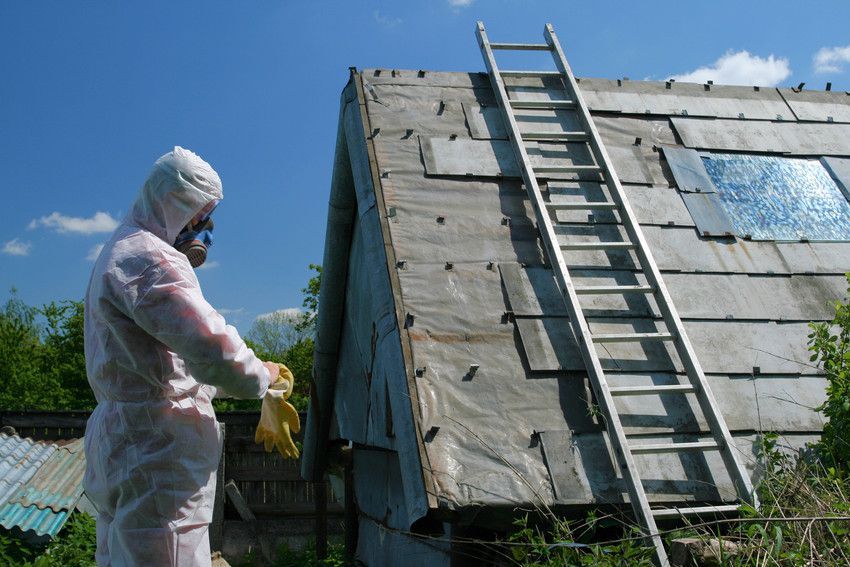
Professional asbestos removal is particularly important during renovations involving older insulation, flooring, roofing, and wall materials. Disturbing these materials without appropriate precautions can release microscopic fibers into the air. Experienced contractors understand how to evaluate potential hazards and coordinate work in accordance with safety requirements.
Project documentation is another important part of asbestos management. Inspection reports, removal records, and disposal documentation provide evidence that the work was handled appropriately. These records can also help property owners demonstrate compliance when selling, renovating, or maintaining a building.
Another important consideration is the condition of the surrounding property during abatement. Contractors must account for nearby occupied spaces, ventilation systems, and other areas that could be affected by airborne contamination. Appropriate containment and project coordination help limit disruption while maintaining necessary safety precautions.
Understanding the Effects of Asbestos on Property Value and Insurance
The presence of asbestos can influence property values, particularly when materials are damaged or require professional attention. Potential buyers may be hesitant to purchase buildings with unresolved asbestos concerns because of the associated health risks and financial responsibilities. Having documented inspection and abatement records can provide greater transparency during real estate transactions.
Insurance considerations may also become more complicated when asbestos is present. Certain policies contain exclusions or limitations related to asbestos contamination and removal expenses. Property owners should review their coverage carefully to understand how existing materials and potential abatement projects are addressed.
Professional asbestos removal can help resolve concerns that might otherwise complicate property transactions. Buyers and sellers benefit from accurate documentation outlining the condition of the building and any completed remediation work. Addressing known hazards can also support long-term property maintenance and occupant confidence.
Commercial property owners face additional considerations because asbestos concerns can affect employees, tenants, customers, and business operations. Unresolved hazards may complicate occupancy decisions or scheduled renovations. Planning appropriate asbestos removal and maintaining accurate records can help businesses manage these responsibilities more effectively.
Understanding Long-Term Environmental and Public Health Concerns
Asbestos remains an environmental concern because its fibers do not readily break down. Older buildings, abandoned industrial facilities, and deteriorating construction materials can continue presenting exposure risks. Proper management is necessary to prevent these materials from becoming airborne.
Public awareness has improved significantly as research has clarified the dangers associated with asbestos. Educational programs, workplace protections, and stricter construction requirements have helped reduce exposure in many settings. However, older properties still require attention because hazardous materials may remain hidden behind walls, ceilings, and other building components.
Professional asbestos removal plays an important role in reducing these risks. Qualified specialists can identify affected materials, determine appropriate treatment methods, and ensure hazardous waste is handled responsibly. These services support healthier indoor environments while helping property owners meet applicable safety requirements.
The long-term consequences of asbestos exposure also demonstrate why property maintenance should include consideration of environmental hazards. Buildings that have undergone multiple renovations may contain several generations of construction materials, some of which could include asbestos. Professional evaluations help establish a clearer understanding of existing conditions before additional work takes place.
Communities also benefit when property owners take asbestos concerns seriously. Proper containment, transportation, and disposal prevent hazardous materials from creating additional exposure risks beyond the original building. Consistent adherence to safety standards supports broader environmental protection efforts.
Protecting Properties With Professional Asbestos Services
The history of asbestos demonstrates how widely used construction materials can create lasting public health challenges. Although modern regulations and safer alternatives have reduced many exposure risks, existing asbestos-containing materials remain a concern in older properties. Proper identification, professional assessment, and responsible abatement are essential for addressing these hazards.
General Contracting Group understands the importance of maintaining safe and reliable properties. Whether addressing concerns during renovations or evaluating older building materials, working with experienced professionals can help property owners make informed decisions. Professional asbestos removal is an important consideration when hazardous materials threaten building safety or interfere with planned improvements.
Contact General Contracting Group to discuss your project and learn how professional asbestos removal and property improvement services can help support a safer building environment. Taking appropriate action today can help protect occupants, preserve property conditions, and support responsible long-term maintenance.