October 29, 2026
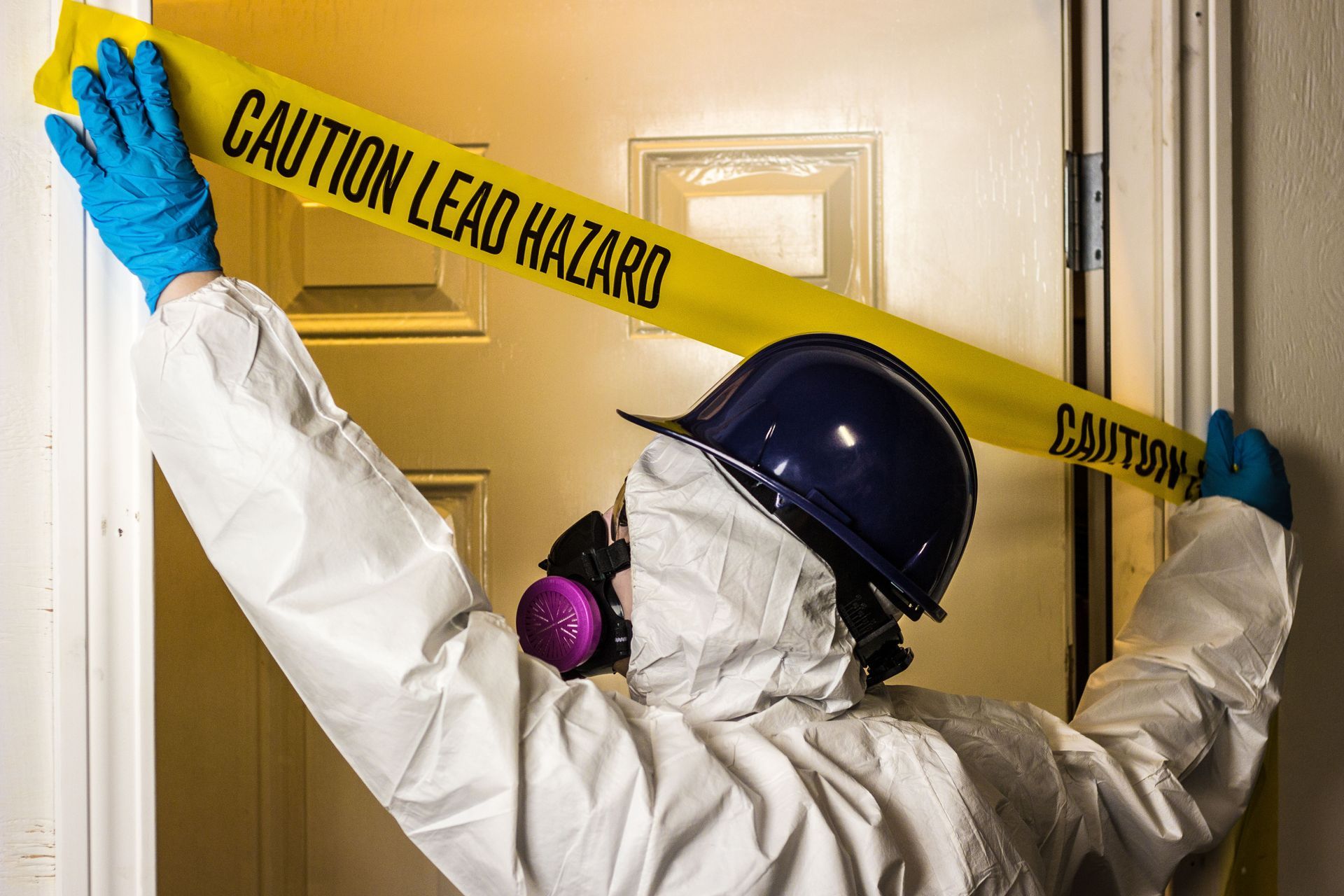
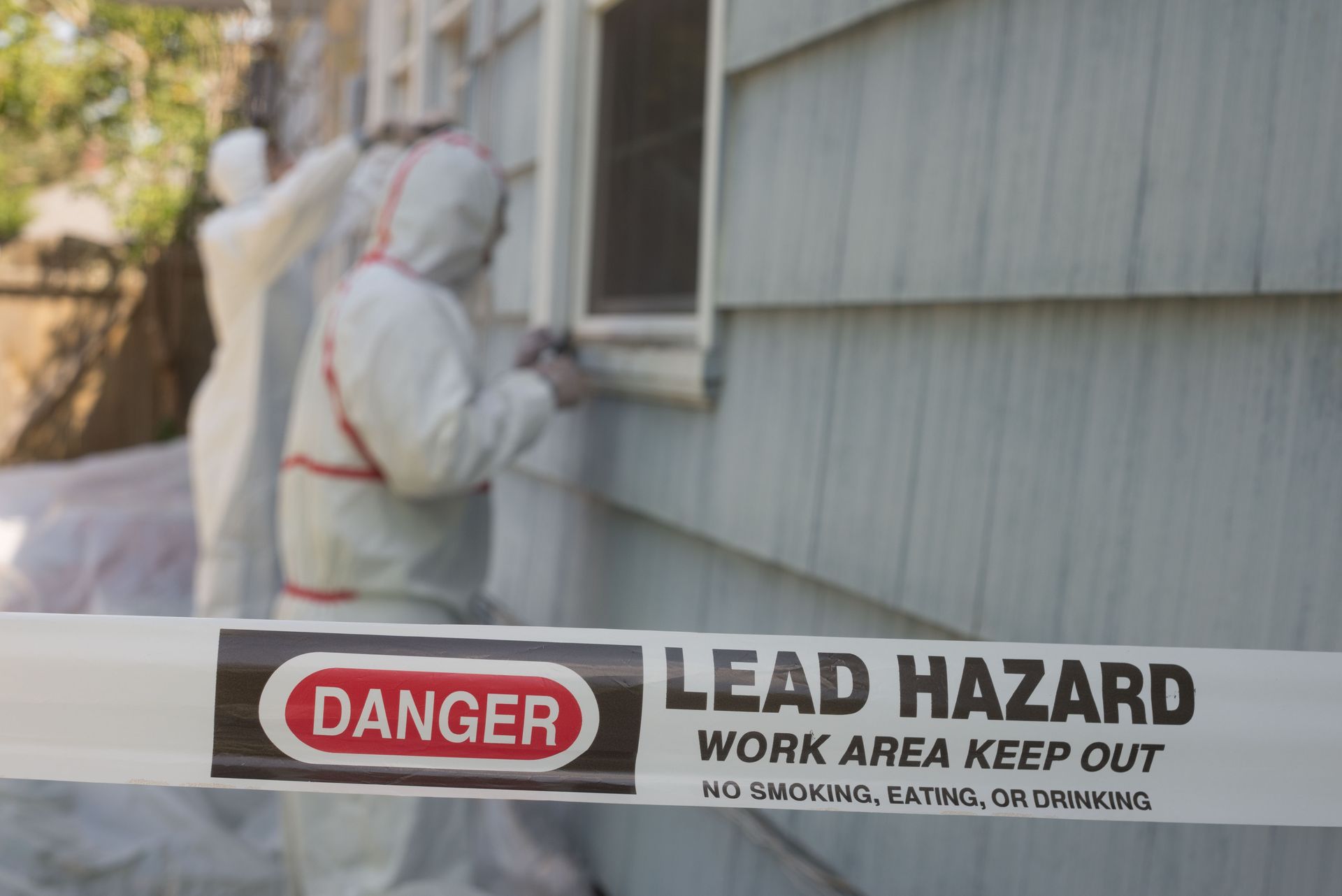
Ensuring the health and safety of rental units is a paramount responsibility for landlords. Among the most pressing environmental hazards in residential properties are lead and asbestos. Understanding these hazards, their health implications, and the regulations surrounding them is essential for both landlords and tenants. This article delves into the complexities of lead and asbestos liabilities, offering insights into legal obligations, best practices for hazard identification, and effective communication with tenants. By addressing these issues, landlords can better manage risks and ensure safer living environments for their tenants with asbestos removal and local lead removal.
Lead and Asbestos: Definitions and Health Risks
What is Lead and Where is it Found
Lead is a toxic metal that was commonly used in several industrial applications, including paint, plumbing pipes, and gasoline. It poses significant health risks, particularly to children, which is why its presence in residential properties is a serious concern. Despite the bans on lead in paint and other products, many older rental properties still contain lead-based materials. Landlords need to be aware of areas where lead is likely to be found, such as in old pipes and painted surfaces. Identifying the potential presence of lead in their properties is the first step towards mitigating its impact on tenants and calling a local lead removal service.
Asbestos in Properties
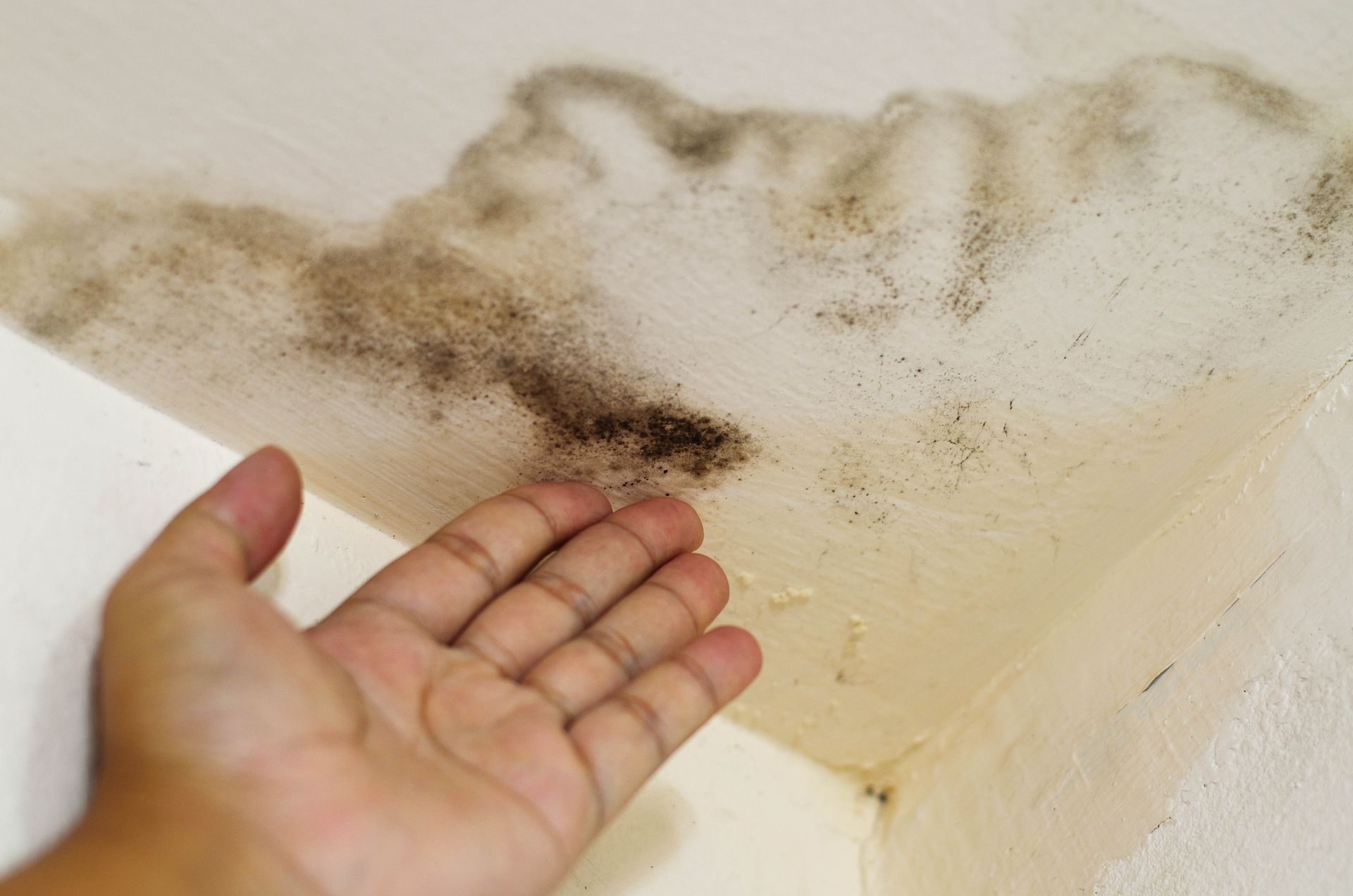
Asbestos is a naturally occurring mineral fiber that was widely used in construction materials due to its durability and heat resistance. The use of asbestos peaked before the 1980s and can still be found in many older buildings. Common locations include insulation, roofing materials, and floor tiles. When these materials are disturbed, asbestos fibers can become airborne, posing serious health risks when inhaled. Landlords must be vigilant in identifying asbestos-containing materials within their properties to prevent inadvertent exposure to tenants.
Health Risks Associated With Lead Exposure
Lead exposure can have severe health consequences, especially for young children and pregnant women. It is known to cause developmental issues, learning disabilities, and behavioral problems in children. For adults, high levels of lead exposure can lead to significant health issues such as hypertension and kidney damage. According to the EPA, lead poisoning occurs in adults when blood concentrations of lead reach 45 micrograms per deciliter or higher. Understanding these health risks underscores the importance of proactive lead hazard management and local lead removal in rental properties.
Health Risks of Asbestos Exposure
Asbestos exposure primarily affects the respiratory system, leading to serious conditions like lung cancer and mesothelioma. These diseases often take decades to manifest, making early detection and proactive management crucial. The risk is particularly high for individuals with prolonged exposure to disturbed asbestos fibers. Proper management and containment of asbestos-containing materials in rental properties can significantly reduce health hazards. Landlords must ensure that any renovation or maintenance work does not inadvertently release asbestos fibers into the living environment.
Legal Obligations and Regulations for Landlords
Federal Laws Impacting Landlord Responsibilities
Federal laws play a crucial role in guiding landlords on environmental hazard management, particularly concerning lead and asbestos. The Residential Lead-Based Paint Hazard Reduction Act requires landlords to disclose known lead-based paint hazards to tenants. This law applies to rental properties built before 1978, the year lead paint was banned for residential use. Landlords are also required to provide tenants with an informational pamphlet on lead safety. Compliance with these federal laws is essential to protect tenant rights and minimize legal liability.
State and Local Regulations
In addition to federal regulations, state and local governments often have their own rules regarding the management of lead and asbestos in rental properties. These regulations may include more stringent disclosure requirements and guidelines for abatement procedures. Landlords must stay informed about the specific regulations applicable in their area to ensure compliance. Engaging with local health departments and housing authorities can provide additional guidance and resources. Recognizing the variability in regulations underscores the importance of local lead removal services for effective property management.
Lead-Based Paint Disclosure Rule
The Lead-Based Paint Disclosure Rule is a critical regulation that requires landlords to disclose the presence of lead-based paint hazards to prospective tenants. The rule stipulates that landlords must provide tenants with any available records or reports pertaining to lead hazards. Documentation of compliance with this rule is necessary to avoid legal repercussions. Importantly, landlords must obtain confirmation from tenants that they have received all necessary information before finalizing leases. This regulation aims to empower tenants with the knowledge needed to make informed decisions about their living environments.
Legal Requirements for Handling Asbestos
Handling asbestos materials involves strict compliance with legal and safety requirements to minimize exposure risks. The EPA and OSHA have established clear guidelines for the assessment, removal, and disposal of asbestos-containing materials. Landlords must employ certified professionals for asbestos abatement projects to ensure adherence to safety standards. Failure to comply with these requirements can result in significant legal penalties and health liabilities. By following prescribed procedures, landlords can effectively manage asbestos risks in their properties.
Best Practices for Identifying Hazards in Rental Units
Property History Audit
A property history audit is a valuable tool for landlords in identifying potential hazards in rental units. This involves reviewing records of maintenance, renovations, and previous inspections to ascertain the presence of lead and asbestos. Consulting building permits and previous property disclosures can provide additional insights into historical hazard management. Landlords can use this information to prioritize areas for inspection and potential abatement. Regular audits are recommended to ensure that records are updated and risks are effectively managed over time.
Professional Inspections and Surveys
Engaging professional inspectors is an effective strategy for accurately identifying environmental hazards in rental properties. Certified inspectors have the expertise to detect lead and asbestos, assess the scope of contamination, and recommend appropriate actions. Regular professional inspections are especially crucial for older buildings that may have undetected hazards. By commissioning these surveys, landlords can ensure comprehensive evaluations and informed decision-making. Investing in professional assessments from local lead removal services can prevent future liabilities and enhance property safety.
Lead Test Kits
Lead test kits provide a practical option for landlords to conduct preliminary assessments of lead hazards. These kits are widely available and enable landlords to test surfaces for lead presence in a cost-effective manner. However, the accuracy of these tests can vary, and results should be interpreted with caution. Landlords may use test kits as part of routine maintenance checks or in response to tenant concerns. Confirmatory testing by certified professionals is recommended for more definitive evaluations and remedial actions.
Asbestos Sampling and Testing Methods
Asbestos sampling and testing are critical steps in confirming the presence and risk level of asbestos-containing materials. Certified professionals employ industry-standard methods, such as bulk sampling and air quality testing, to detect asbestos fibers. These assessments are necessary before undertaking renovation or demolition work in older properties. Landlords should engage qualified asbestos inspectors to ensure thorough and precise analyses. Accurate testing guides informed decision-making and effective hazard management strategies.
The management of lead and asbestos liabilities in rental units involves a multifaceted approach encompassing legal compliance, proactive hazard identification, effective mitigation, and transparent communication with tenants. By understanding the complexities of these environmental hazards, landlords can better protect their properties and provide safer living environments. Prioritizing continuous education, regular maintenance, and responsible practices underscores the commitment to tenant welfare and legal obligations. Call General Contracting Group (GCG Environmental) today for a local lead removal service.