October 15, 2026
Selling a home involves more than choosing an asking price and preparing attractive listing photographs. Buyers also want confidence that the property is safe, structurally sound, and unlikely to require expensive repairs after closing. Hidden environmental concerns, particularly mold and lead contamination, can complicate that process. These hazards may remain unnoticed behind walls, beneath flooring, or within older building materials until an inspection reveals potential problems. Once discovered, they can influence buyer confidence, financing discussions, repair negotiations, and the property's overall marketability. Working with qualified environmental professionals, including an asbestos removal company when additional hazardous materials are suspected, can help homeowners understand potential risks before listing. Recognizing how hidden contamination affects property transactions is an important step toward protecting resale value.
Reducing Buyer Confidence and Interest
Homebuyers often approach a purchase with concerns about future maintenance expenses and unexpected repairs. Discovering mold or lead during an inspection can increase those concerns, especially when the extent of contamination remains uncertain. Even if the property appears attractive and well-maintained, buyers may worry about hidden damage, health risks, and the cost of professional cleanup. These uncertainties can make an otherwise desirable home less appealing compared with properties that do not have identified environmental concerns.
Some buyers may request additional inspections, delay negotiations, or withdraw their offers entirely. Others may remain interested but expect a lower purchase price to account for remediation expenses. Homeowners can reduce uncertainty by investigating suspicious conditions before marketing the property. Environmental specialists can evaluate potential hazards and explain appropriate corrective measures. If older construction materials raise concerns about asbestos, consulting an asbestos removal company may also help sellers address additional issues that could affect buyer confidence.
Increasing Inspection and Repair Concerns
Home inspections frequently identify conditions that are not obvious during a casual walkthrough. Water stains, deteriorating paint, musty odors, damaged drywall, and moisture around windows may prompt further investigation. These warning signs do not always confirm contamination, but they can indicate that specialized testing or evaluation is necessary. When mold or lead is discovered, the transaction may become more complicated because buyers need information about the severity of the problem and the steps required to address it.
Repair concerns can grow when contamination extends beyond visible surfaces. Mold may develop behind cabinets or beneath flooring, while deteriorating lead-based paint may require specialized stabilization or removal procedures. Additional hazardous materials can also complicate renovation work in older properties. An asbestos removal company may be needed if suspected asbestos-containing materials are identified during the investigation. Understanding these conditions early gives sellers more time to obtain professional recommendations, evaluate costs, and prepare appropriate documentation before negotiations begin.
Increasing the Cost of Mold Remediation
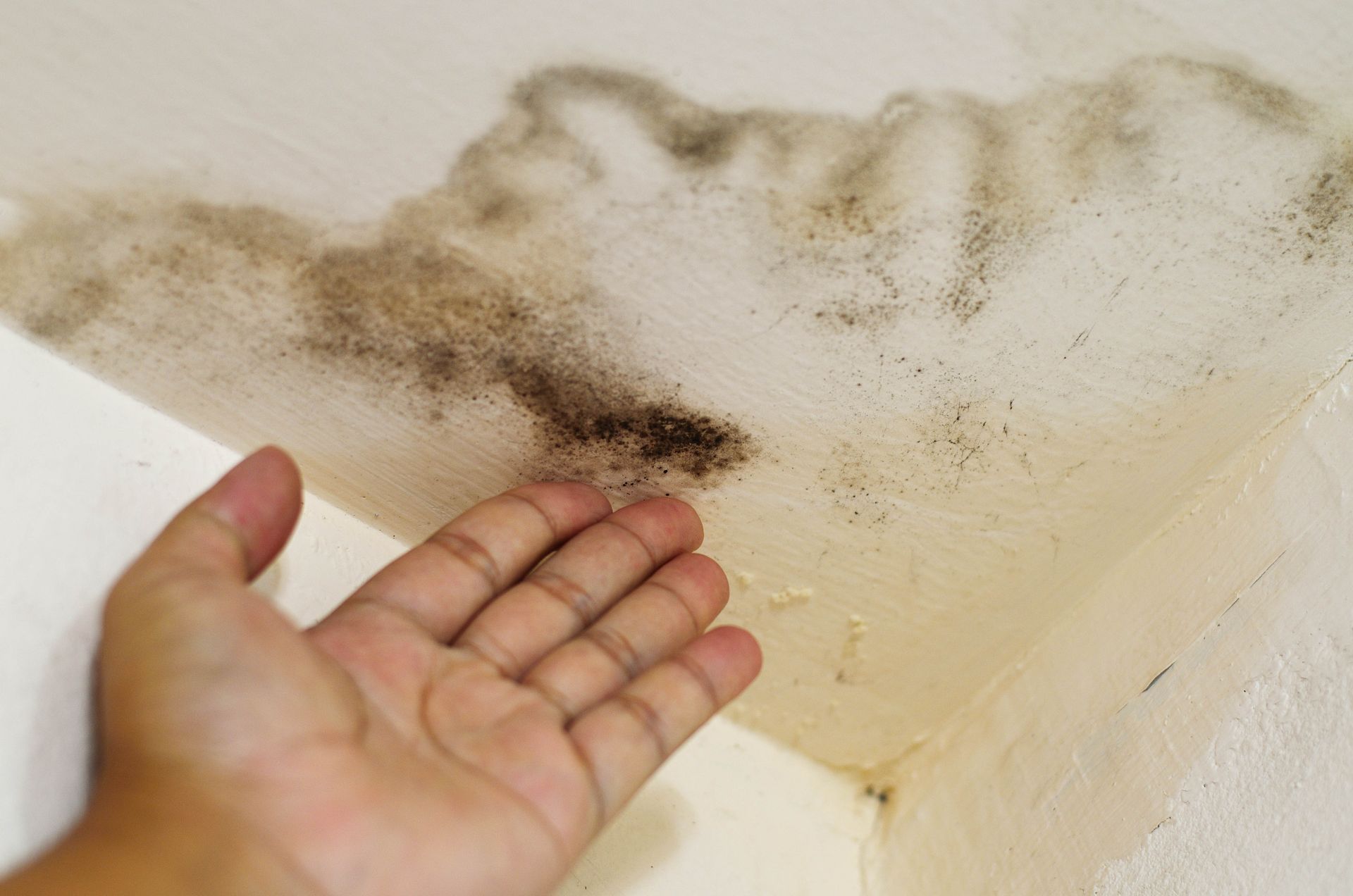
Mold problems often begin with moisture that enters a building through roof leaks, plumbing failures, foundation seepage, or inadequate ventilation. When damp conditions persist, mold may spread into drywall, insulation, wood, carpeting, and other materials. Small areas of contamination can sometimes be addressed with limited repairs, but extensive growth may require containment, removal of damaged materials, drying, and reconstruction. The longer the moisture source remains unresolved, the greater the potential for additional property damage.
Preventive moisture management can help homeowners reduce these risks. According to the United States Environmental Protection Agency, maintaining indoor humidity levels between 30% and 60% can help limit mold growth. Addressing leaks, improving ventilation, and monitoring damp areas can also help limit conditions that support contamination. When mold is already present, professional evaluation can determine the appropriate cleanup approach. Taking action before listing may prevent buyers from discovering a larger problem that requires extensive repairs or leads to substantial price negotiations.
Complicating Lead Paint Disclosures
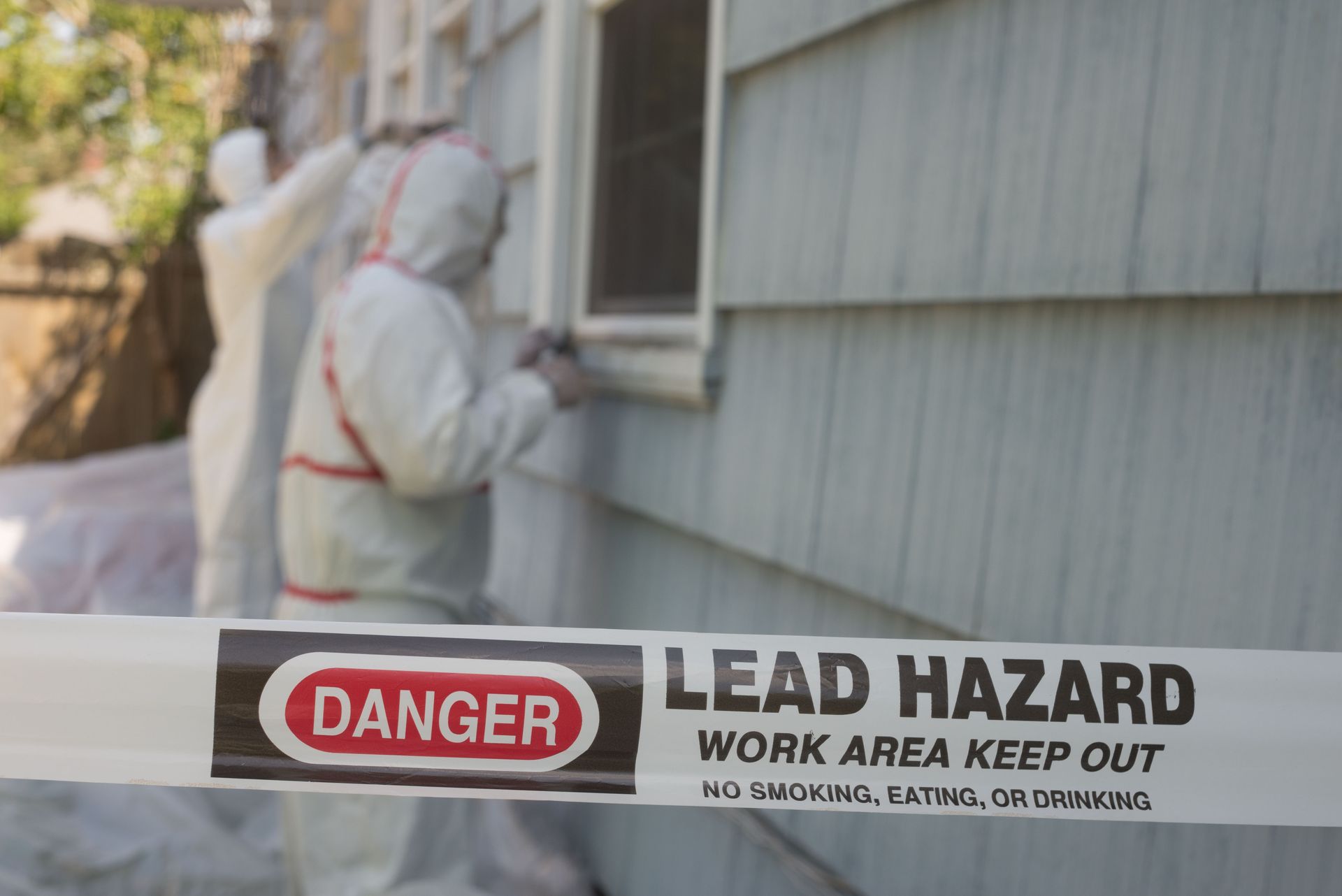
Lead-based paint is a particular concern in older residential properties, especially homes constructed before 1978. Although intact paint may not always present the same exposure concerns as deteriorating surfaces, peeling, chipping, or disturbed lead-based paint can create hazardous dust and debris. Renovation activities may increase exposure risks when appropriate precautions are not followed. Buyers considering an older home may therefore want additional information about existing paint conditions and any previous lead evaluations or corrective work.
Federal disclosure requirements generally apply to many residential properties built before 1978, making accurate documentation important during a sale. Sellers must follow applicable rules concerning known lead-based paint and related hazards. Environmental professionals can help evaluate suspected contamination and recommend appropriate next steps. If the property also contains potentially hazardous insulation, flooring, or other materials, an asbestos removal company may be involved in addressing separate concerns. Proper evaluation helps homeowners avoid confusing different hazards while preparing accurate information for prospective buyers.
Creating Delays During Property Transactions
Real estate transactions depend on inspections, financing arrangements, insurance requirements, and agreed-upon closing schedules. Unexpected environmental findings can interrupt this process when buyers request specialized evaluations or additional repairs. Scheduling qualified contractors, obtaining estimates, completing remediation, and documenting the results may require more time than the original transaction allows. These delays can create uncertainty for both parties, particularly when the buyer has a deadline for moving or securing financing.
Identifying concerns before listing provides more flexibility. Homeowners can arrange inspections, review recommended procedures, and establish realistic schedules without the immediate pressure of a pending closing date. Projects involving several hazardous materials may require coordination among different specialists. For example, an asbestos removal company might handle asbestos-related work while qualified lead or mold professionals address other conditions. Planning these services in advance can help reduce scheduling conflicts and allow sellers to present completed work more clearly during negotiations.
Reducing Negotiating Power During Sales
Environmental concerns can shift the balance of a real estate negotiation. Buyers who discover mold, lead hazards, or other contamination may request price reductions, repair credits, professional remediation, or additional contractual protections. Even when the issue is manageable, uncertainty about the final cost can encourage buyers to negotiate more aggressively. Sellers who lack inspection reports or repair estimates may find it difficult to demonstrate that the problem has been accurately assessed.
Professional documentation can provide useful information during these discussions. Inspection findings, remediation records, and applicable clearance results may help explain what was discovered and how it was addressed. Sellers should retain relevant paperwork and disclose known conditions as required by law. When hazardous materials are involved, documentation from qualified contractors, including an asbestos removal company when appropriate, may support a clearer understanding of completed work. Transparency cannot guarantee a particular selling price, but it can reduce uncertainty and help buyers make informed decisions.
Protecting Long-Term Property Marketability
A home's resale potential depends partly on how well its condition compares with other available properties. Unresolved mold, deteriorating lead-based paint, and additional environmental hazards can make a listing more difficult to market. Prospective buyers may hesitate when they anticipate complicated repairs or ongoing maintenance concerns. These problems can be especially challenging when the seller must compete with homes that have already undergone relevant inspections, maintenance, or restoration work.
Addressing environmental concerns before they become major problems can help preserve a property's appeal. Homeowners should investigate recurring moisture, damaged paint, unexplained odors, and deteriorating building materials rather than covering up visible warning signs. Qualified professionals can determine which conditions require testing, repair, or specialized remediation. An asbestos removal company can assist when asbestos-related concerns arise alongside other environmental issues. By addressing identified hazards responsibly and maintaining accurate records, sellers can better prepare their homes for future inspections and buyer questions.
Undetected mold and lead contamination can affect a home's resale value by creating uncertainty, increasing repair expenses, complicating disclosures, and delaying transactions. These concerns may also weaken buyer confidence and create opportunities for additional price negotiations. Early inspections, moisture control, appropriate remediation, and accurate documentation can help homeowners understand potential hazards before placing their properties on the market. Older homes may require evaluation for multiple environmental concerns, making coordination with qualified specialists particularly important. Whether a property needs mold remediation, lead hazard assessment, or assistance from an asbestos removal company, addressing problems proactively can support a smoother selling process and help protect long-term property value. For professional environmental assessment and remediation services, contact General Contracting Group (GCG Environmental).