August 21, 2026
Older structures harbor severe, invisible health hazards hidden within layers of aging paint. The deterioration of these materials releases microscopic toxic particles into the living environment. Exposure to such heavy metals poses profound physiological risks to occupants, necessitating immediate and comprehensive expert intervention. The silent nature of this danger requires heightened vigilance from homeowners and property managers. Without specialized knowledge, individuals face immense difficulty in detecting the full scope of the contamination.
Mitigating this complex environmental threat goes beyond simple cleaning or amateur renovation attempts. Professional remediation creates a comprehensive shield against toxic exposure, utilizing advanced techniques and specialized equipment. Using competent lead removal services ensures absolute safety for the household. Specialists bring meticulous protocols to the complex project, transforming hazardous zones back into safe living spaces. Their systematic approach guarantees the total elimination of dangerous residues.
1. Identifying the Hidden Hazards
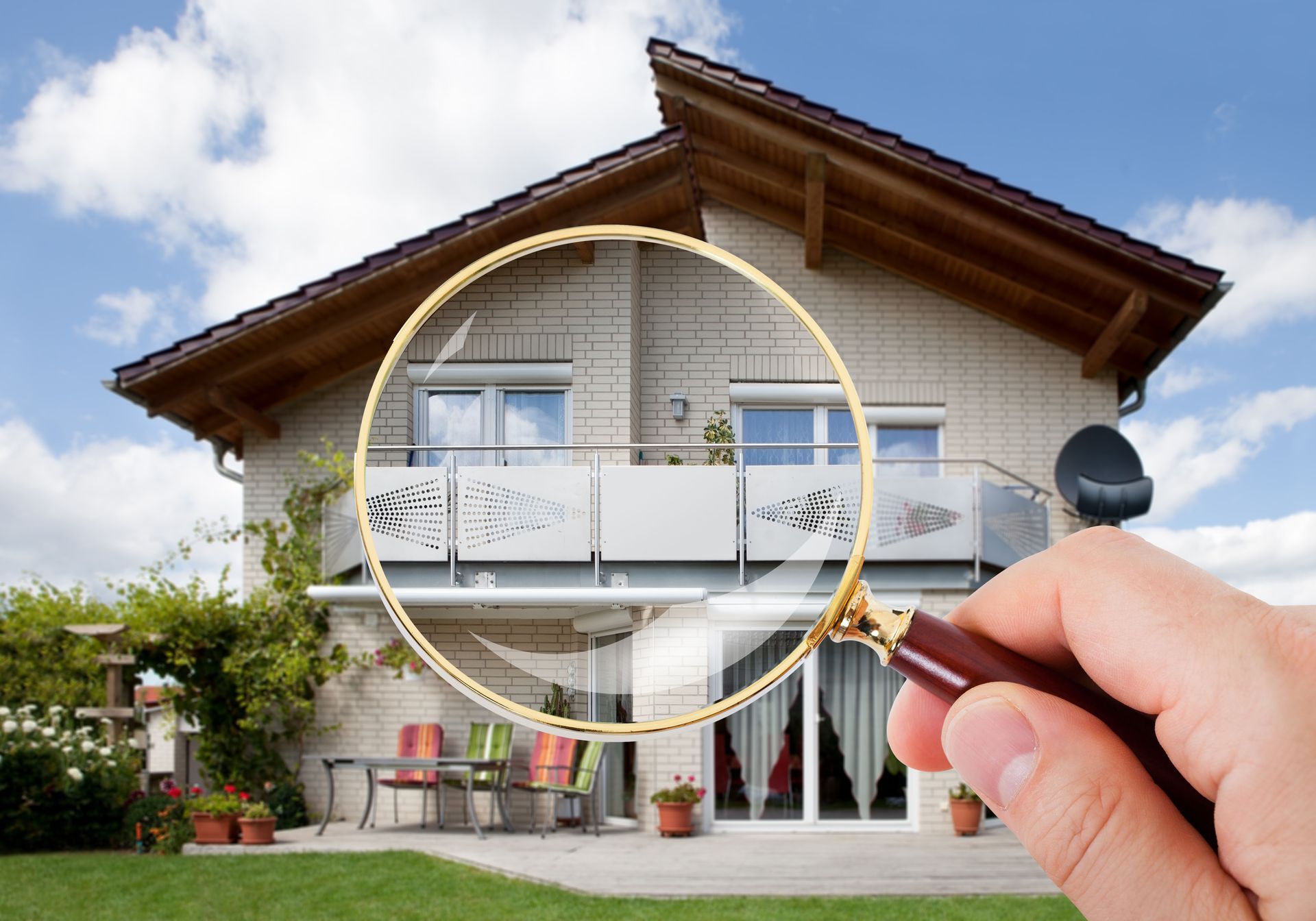
The initial phase of remediation requires a meticulous and exhaustive assessment of the given property. Specialists arrive equipped with advanced diagnostic tools to locate toxic compounds hiding on walls, trim, and soil. Technicians conduct extensive testing across multiple surfaces to pinpoint the exact locations of the contamination. This precision prevents unnecessary demolition while ensuring no dangerous spots escape notice. The evaluation forms the backbone of the entire mitigation strategy.
Accurate identification directly dictates the subsequent steps in the remediation protocol. High-quality lead removal services rely on this detailed evaluation phase to construct a viable action plan. The resulting data determines the level of containment required and the specific extraction methods suited for the environment. Without a thorough initial inspection, efforts to sanitize the space might fall short, leaving hazardous dust behind to threaten the household.
The profound importance of this detection phase stems from the severe biological impact of the toxin. According to the CDC, children under 6 years old are most vulnerable to lead poisoning. Their developing bodies absorb the substance at elevated rates, making precise detection an absolute imperative. Specialists prioritize the thoroughness of their inspections to shield the most sensitive occupants from permanent, long-term neurological damage.
Following the physical inspection, experts draft a comprehensive mitigation blueprint. This document outlines the distinct techniques needed to eliminate the discovered hazards without spreading dust. The plan details the scope of work, the equipment required, and the estimated duration of the project. A solid, well-crafted strategy ensures a systematic approach, preparing the property for the rigorous containment and extraction phases to follow.
2. Containing the Contaminated Zones
Before any physical extraction initiates, securing the workspace remains paramount. Technicians establish robust containment barriers to stop cross-contamination between the work area and clean zones. Heavy-duty plastic sheeting seals doorways, windows, and ventilation ducts to trap microscopic particles. These physical barricades restrict the unpredictable movement of toxic dust during the aggressive removal process. Such isolation guarantees the safety of the rest of the structure.
Accredited lead removal services implement negative air pressure systems within the sealed rooms. Industrial-grade filters pull air out of the work zone, preventing hazardous elements from drifting into occupied spaces. The continuous filtration captures airborne contaminants before they can settle on unaffected surfaces or furniture. This pressure differential remains an essential component of expert hazard management, keeping the adjacent areas pristine.
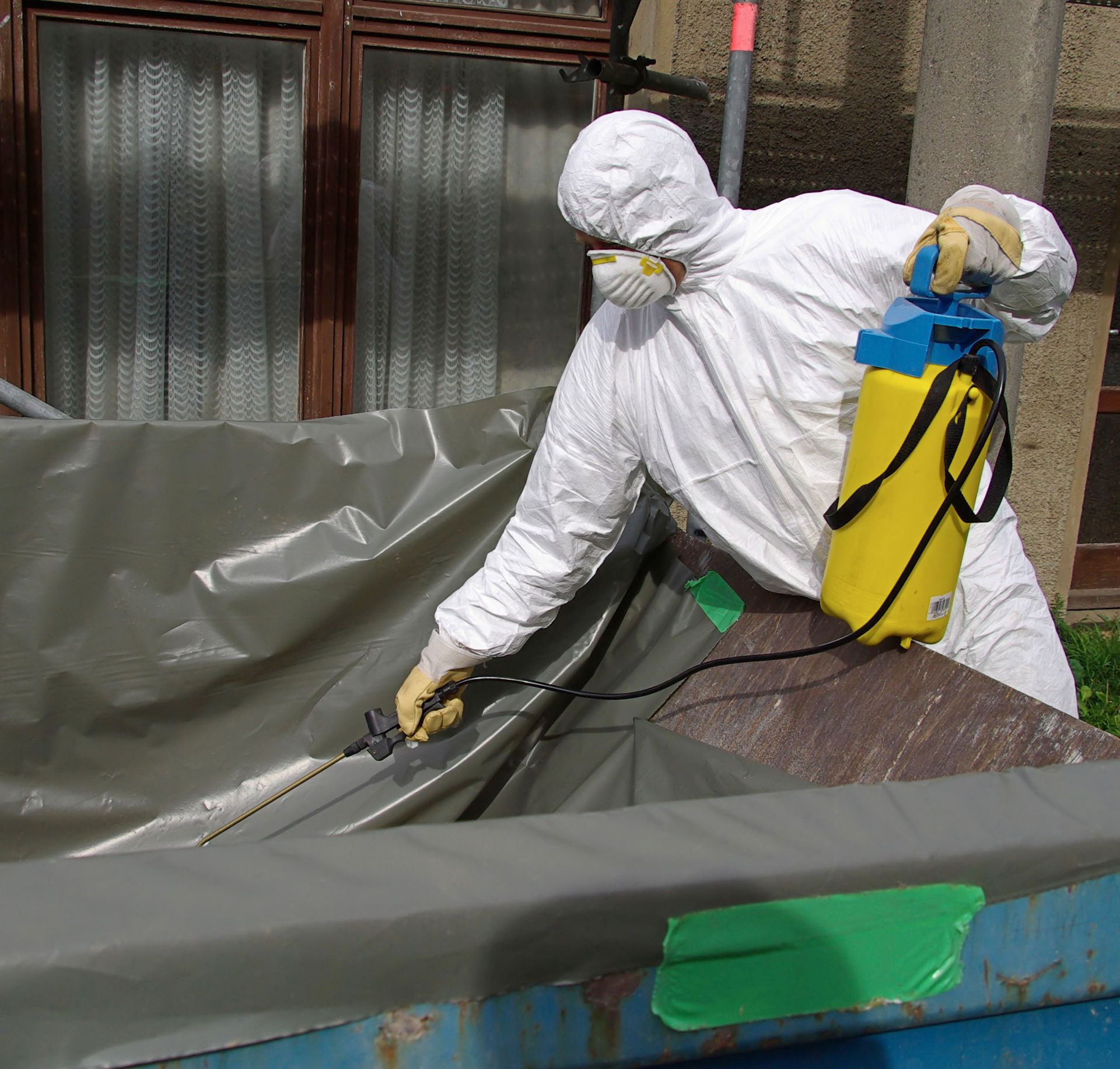
Within these isolated zones, workers wear specialized personal protective equipment. Respirators and disposable suits shield the technicians performing the intense physical labor. The protective gear prevents workers from carrying toxic residue out of the containment area on their shoes or clothing. These stringent safety protocols highlight the severe nature of the work and the necessity of specialized training.
The physical separation of clean zones from work zones maintains overall structural safety. In some scenarios, occupants can remain on the property if the containment barriers are perfect. Strict isolation demonstrates the stark difference between amateur attempts and expert hazard management. The integrity of these barriers receives constant monitoring throughout the entire duration of the project.
3. Extracting the Hazardous Materials
The core operational phase involves the physical extraction of the toxic substances from the property. Technicians utilize wet sanding and specialized scraping techniques to keep dust generation to a minimum. Chemical strippers dissolve paint layers, allowing workers to peel away the hazard without creating airborne particles. These specialized methods require intense precision to strip away the danger while preserving the underlying architectural elements.
When preservation is impossible, careful demolition removes tainted fixtures, doors, and window frames in full. Workers wrap the debris in thick plastic and seal it with heavy tape before exiting the containment zone. Every piece of contaminated material undergoes meticulous handling to prevent accidental and dangerous exposure during transit. The bagged waste then travels to designated hazardous disposal facilities.
Professional extraction methods differ from standard home renovation practices in numerous critical ways. Securing specialized lead removal services guarantees strict adherence to environmental regulations regarding toxic waste. Proper disposal protects both the immediate property and the broader community from illegal dumping hazards. The chain of custody for the hazardous materials remains unbroken from the work site to the final disposal location.
Sanitization occurs alongside the ongoing extraction process. Industrial vacuums capture microscopic particles resting on floors and windowsills. This continuous cleanup prevents the accumulation of toxic residue within the work area. Maintaining a spotless environment during the extraction phase makes the final clearance process more efficient and successful.
4. Verifying the Safe Environment
Following the extraction phase, a rigorous clearance protocol begins to confirm the overall success of the project. Technicians conduct exhaustive visual inspections to ensure no visible dust or debris remains. This visual check acts as the preliminary step before microscopic verification begins. Every surface within the containment area undergoes intense, unrelenting scrutiny from inspectors.
The verification phase relies on empirical data gathered from surface wipes. Specialists collect microscopic samples from floors, sills, and walls for independent laboratory analysis. Reputable lead removal services depend on these objective tests to prove the environment is hazard-free. Clearance testing provides the ultimate, undeniable confirmation that the remediation efforts achieved their intended goal.
If laboratory results indicate remaining toxicity, the mitigation team repeats the sanitization process. Workers wash and vacuum the space again until subsequent samples pass all regulatory thresholds. Strict adherence to these clearance levels guarantees the space is habitable. Professionals never compromise on these final metrics, ensuring absolute, long-lasting safety for the returning occupants.
Only after passing all evaluations do the technicians dismantle the containment barriers. The removal of the plastic sheeting marks the official conclusion of the hazard mitigation project. Occupants can then re-enter the space with complete assurance of their safety. The transformed environment stands as a lasting testament to the efficacy of expert intervention.
Toxic exposure within residential structures demands serious attention and expert resolution. Relying on professional lead removal services mitigates the profound risks associated with aging properties. Expert techniques, from initial assessment to final clearance, ensure the comprehensive eradication of hidden dangers. The systematic application of containment, extraction, and verification protocols creates a secure living environment.
Safeguarding a household requires proactive hazard management and specialized knowledge. Professionals bring the necessary skill, equipment, and discipline to restore environmental safety. The meticulous nature of the remediation process eliminates the threat of heavy metal exposure in full. The resulting peace of mind makes professional remediation an invaluable, life-saving investment for families seeking a secure, healthy home. Contact us at General Contracting Group (GCG Environmental) to schedule our comprehensive lead removal services. We remain dedicated to eliminating these toxic hazards and securing a safe environment for your household.