November 2, 2026
Understanding the need for professional care during house repainting prevents serious health hazards and ensures legal compliance. Because many older structures contain toxic coatings, knowing when to seek certified assistance is critical. Recognizing signs of structural paint degradation and following regulatory guidelines protects residents from toxic dust and long-term medical complications. Engaging certified specialists protects property value, mitigates legal liabilities, and guarantees a safe living environment for all occupants.
Understanding Historical Lead Usage
Lead-based coatings were widely used in the 20th century due to their durability and quick drying properties. However, discovery of severe toxicity prompted global bans, with the United States outlawing residential lead paint in 1978. Despite these prohibitions, millions of older structures still contain hazardous layers that pose significant exposure risks to residents during simple renovation projects.
Examining Critical Health Hazards
Absorbing toxic metals causes severe acute and chronic health issues, particularly in young children who face cognitive impairment and developmental delays. Exposed adults often suffer from elevated blood pressure, joint pain, and chronic headaches. According to the Center for Disease Control, around 29 million housing units have paint that is lead-based. These risks highlight the absolute necessity for safe, professional lead removal during home restoration projects.
Reviewing Governing Regulatory Standards
Strict federal guidelines govern toxic paint abatement to protect public health during residential construction. The Environmental Protection Agency enforces Renovation, Repair, and Painting regulations that dictate containment and waste handling protocols. Property owners must ensure contractors hold valid certifications to avoid severe legal penalties and prevent hazardous dust dispersal.
Analyzing Property Financial Impacts
Toxic paint contamination severely impacts real estate value, as potential buyers avoid properties facing unmitigated health hazards. Landlords face substantial legal liabilities and expensive lawsuits if residents suffer toxic exposure on their premises. Investing in certified lead removal safeguards real estate investments, prevents costly litigation, and preserves long-term market value.
Identifying Toxic Paint Hazards
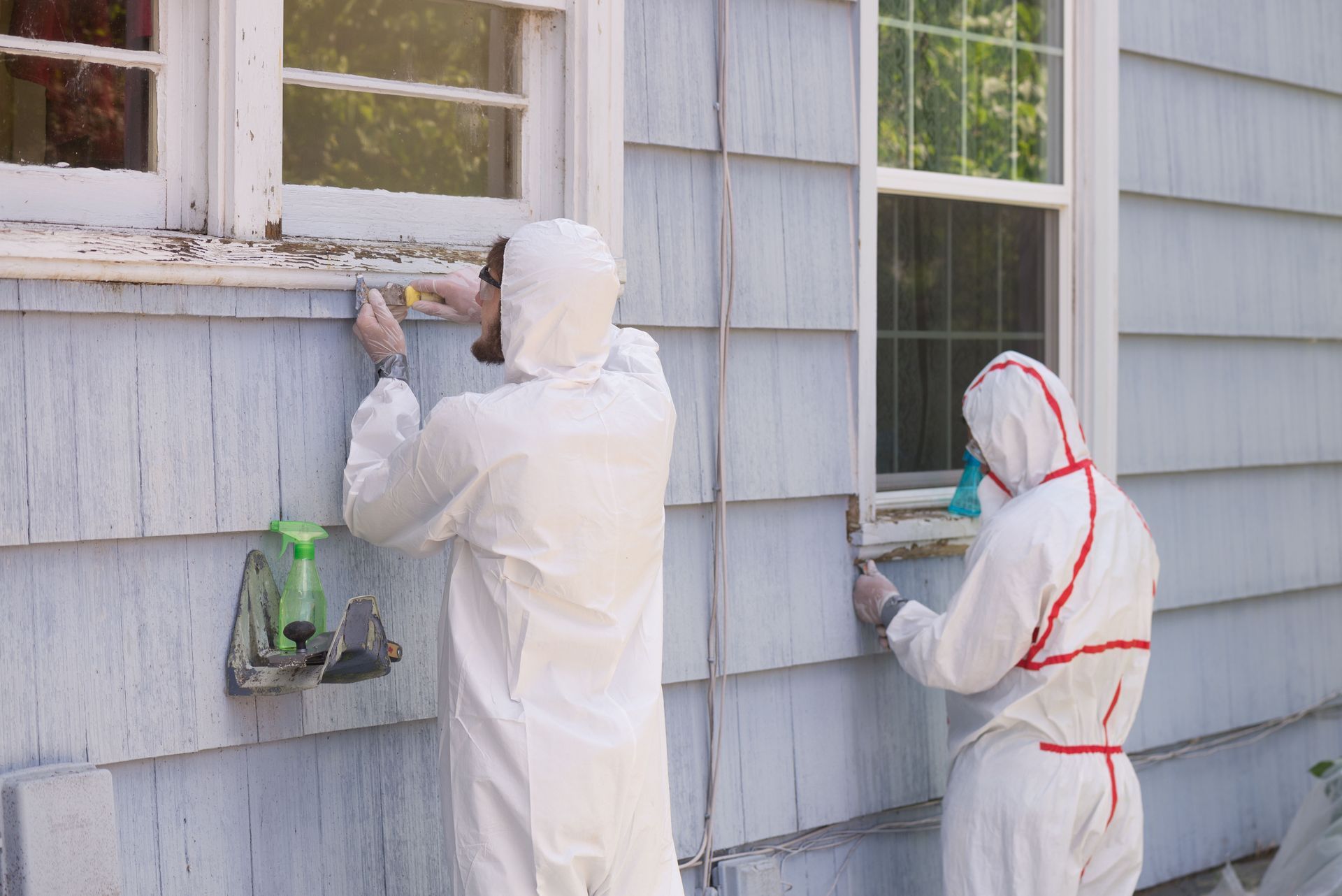
Identifying aging paint layers requires keen observation and certified testing in homes built before 1978. Visible signs of degradation include chalking, cracking, flaking, or alligatoring paint surfaces. Engaging certified inspectors to conduct risk assessments ensures accurate identification before starting cosmetic updates.
Assessing Building Age Factors
A structure's construction year serves as the primary indicator of potential toxic paint exposure. Properties built prior to 1978 require vigilant assessment before initiating any disturbance to walls or trim. Engaging certified specialists for professional lead removal prevents accidental contamination during scheduled updates.
Spotting Visible Degradation Signs
Peeling, chipping, and cracking paint releases dangerous microscopic dust and paint chips into living spaces. Prompt professional evaluation prevents widespread environmental contamination and protects vulnerable residents, including children and pregnant women. Experts determine whether surface encapsulation or complete physical extraction is required.
Comparing DIY and Professional Risks
Attempting DIY paint abatement poses extreme health risks through improper containment and inadequate protective equipment. Uncertified individuals frequently spread toxic dust through heating ducts, creating long-term contamination issues. Professional teams possess HEPA-filtered machinery, specialized containment barriers, and legal disposal access to perform lead removal safely.
Inspecting Essential Safety Equipment
Evaluating safety protocols and specialized machinery confirms a contractor's technical readiness. Certified crews utilize negative air pressure units, heavy-duty plastic containment, and personal protective gear. Verifying these safety measures ensures hazardous particles remain completely contained within designated work zones.
Preparing Properties for Remediation
The remediation process begins with exhaustive site inspections to map contaminated areas accurately. Technicians develop customized abatement strategies based on structural conditions and contamination levels. Meticulous site preparation ensures smooth project execution while minimizing operational disruptions.
Deploying Containment and Isolation Barriers
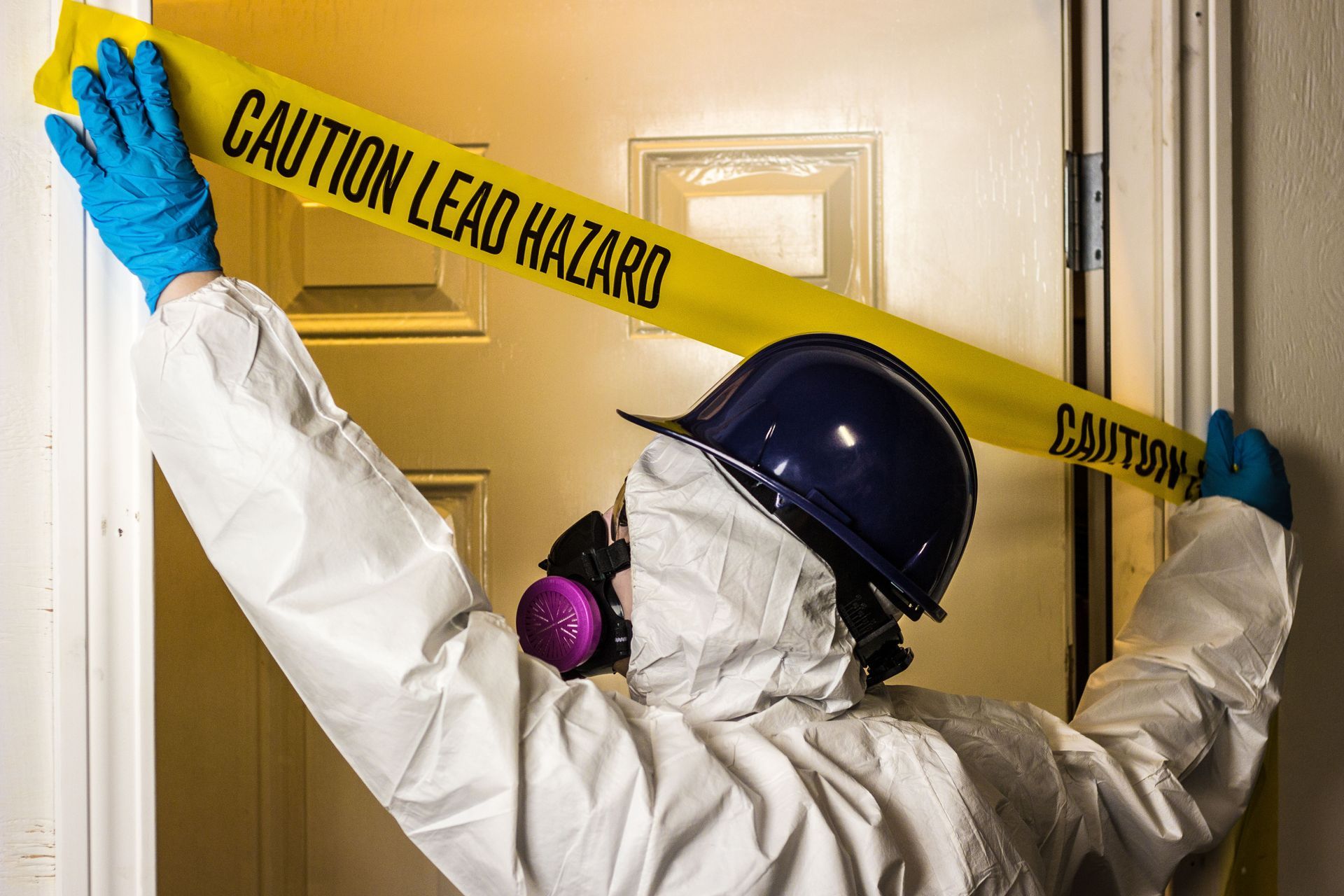
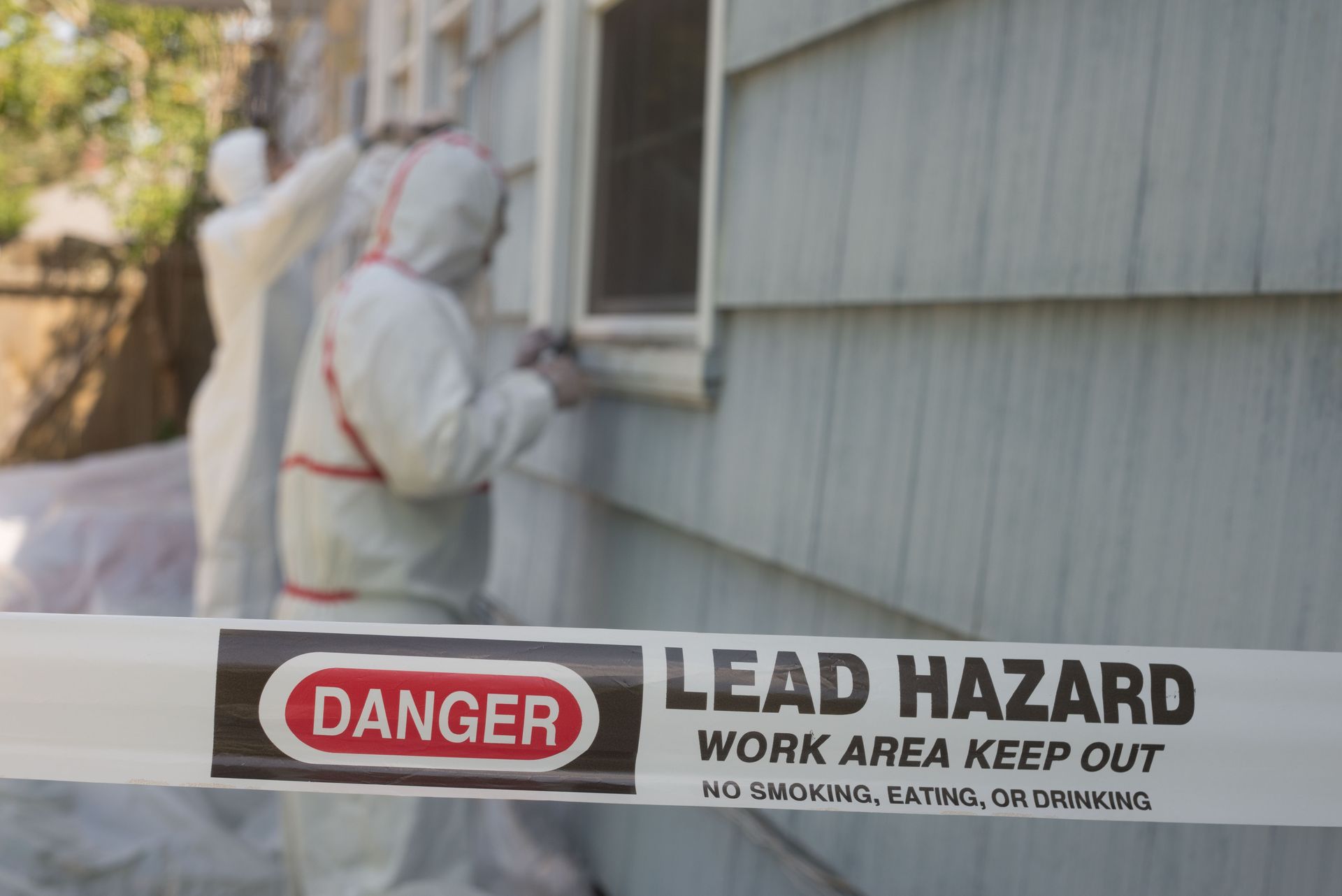
Installing heavy plastic sheeting, sealed airlocks, and negative pressure systems isolates work zones completely. These containment strategies prevent toxic dust from migrating into clean living areas or HVAC systems. Strict isolation protocols protect both building occupants and remediation technicians throughout the extraction process.
Utilizing Modern Abatement Methods
Technicians utilize mechanical scraping equipped with HEPA shrouds, chemical stripping agents, or thermal heat guns to extract hazardous coatings. Alternative methods like encapsulation seal intact paint beneath durable, protective barriers. Experts select the most effective extraction method based on substrate material and project constraints.
Executing Post-Removal Cleanup Protocols
Thorough post-abatement cleaning utilizes HEPA-filtered vacuums and specialized chemical washes to remove microscopic residues. Independent technicians perform rigorous visual inspections and dust wipe sampling to verify safety. Achieving formal clearance testing confirms the environment is completely safe for reoccupancy.
Managing Hazardous Environmental Waste
Disposing of hazardous waste requires strict compliance with federal, state, and environmental transport laws. Contaminated debris must be sealed in heavy-duty, labeled containers and transported to authorized disposal facilities. Proper waste management prevents environmental contamination and protects the surrounding community.
Selecting Safe Paint Alternatives
Applying non-toxic, zero-VOC paint formulas post-remediation ensures healthier indoor air quality. Modern eco-friendly paints offer exceptional durability, vibrant color retention, and superior scrub resistance. Choosing safe paint alternatives enhances property appeal while maintaining a healthy living environment.
Applying Durable Paint Finishes
Proper surface preparation, high-quality primers, and professional application techniques maximize paint adhesion and longevity. Utilizing moisture-resistant primers prevents future peeling, cracking, or color fading. Superior application extends renovation intervals, yielding a higher return on property maintenance investments.
Maintaining Repainted Interior Surfaces
Routine surface cleaning using gentle detergents prevents dirt accumulation and preserves paint finishes. Regular inspections allow property owners to spot and repair minor drywall damage before moisture compromises surrounding coatings. Proactive maintenance preserves visual appeal and extends surface lifespan.
Enhancing Real Estate Market Value
Eliminating health hazards while updating interior finishes significantly boosts property desirability and market value. Prospective buyers and renters actively seek properties with verified environmental clearance documentation. Complete lead removal speeds up real estate transactions and justifies higher asking prices.
Studying Successful Transformation Cases
Documented case studies demonstrate significant property value increases following certified environmental remediation. Historic homes frequently experience restored architectural charm and increased market demand post-renovation. These real-world successes highlight the financial and health benefits of professional remediation.
Avoiding Removal Complexity Errors
Underestimating the technical complexity of hazardous paint extraction often leads to severe home contamination. Misjudging necessary safety measures places family members at risk of acute metal poisoning. Working with certified experts avoids improper handling errors and guarantees regulatory compliance.
Avoiding Uncertified Labor Pitfalls
Cutting costs by hiring uncertified laborers frequently leads to widespread dust contamination and regulatory fines. Unqualified workers lack the specialized HEPA equipment necessary to capture microscopic toxins effectively. Choosing professional lead removal eliminates liability risks and guarantees safe, lawful execution.
Complying with Municipal Regulations
Ignoring local building codes and environmental guidelines results in severe financial penalties and project shutdown orders. Local regulations establish mandatory containment, testing, and disposal benchmarks to protect public health. Reviewing municipal guidelines ensures full legal compliance throughout the renovation process.
Budgeting for Comprehensive Remediation
Inadequate financial planning causes project delays, incomplete containment, or compromised safety measures. Detailed budgets must account for preliminary testing, professional labor, containment materials, and clearance verification. Comprehensive financial planning ensures seamless project execution from setup through final inspection.
Evaluating Long-Term Occupant Safety
Focusing solely on initial renovation costs overlooks critical long-term health and safety implications. Residual toxic dust poses ongoing risks to young children and pets if initial containment fails. Prioritizing thorough, professional remediation guarantees a permanently safe living space.
Safely addressing toxic paint hazards requires informed decision-making, strict regulatory compliance, and professional expertise. Taking proactive steps eliminates severe health risks, protects property investments, and ensures legal compliance. Property owners can confidently undertake repainting projects by prioritizing environmental safety and expert intervention. To schedule a certified inspection or request professional environmental remediation services, contact General Contracting Group (GCG Environmental).