November 22, 2026
Hazardous materials such as asbestos, lead, and mold can create health and property concerns when left unaddressed. Older New York buildings may require professional evaluation before renovations or demolition. Timely asbestos removal services help identify, contain, and manage hazardous materials, reducing potential exposure and project disruptions while supporting safer residential, commercial, and industrial environments.
1. Increasing the Risk of Harmful Exposure
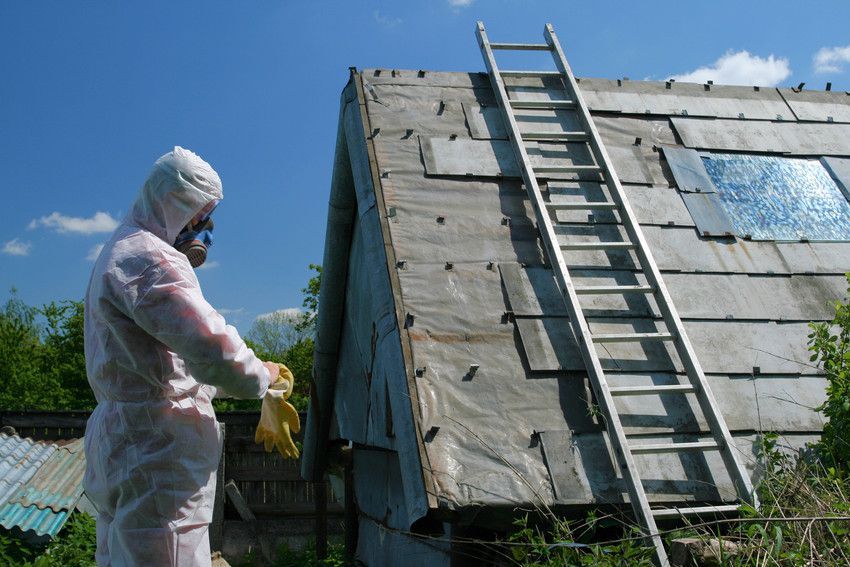
One of the most serious concerns associated with neglected hazardous materials is the possibility of exposure. Asbestos was historically used in various building products because of its resistance to heat and durability. It may be found in older insulation, flooring, ceiling materials, pipe coverings, and other components. When asbestos-containing materials remain intact and undisturbed, the risk of fiber release may be limited. However, deterioration, accidental damage, renovations, or demolition can release fibers into the surrounding air.
According to the National Cancer Institute, inhaled asbestos fibers can become embedded in the lungs, where they may cause scarring and inflammation. Exposure is associated with serious diseases, including asbestosis, lung cancer, and mesothelioma. These health concerns make proper identification and handling especially important when asbestos may be present.
Neglecting a suspected hazard does not make it disappear. Instead, it can leave occupants, maintenance personnel, contractors, and other people who enter the building unaware of a potential exposure concern. Professional asbestos removal services help address identified materials through controlled procedures designed to limit fiber release and protect people in and around the work area.
2. Spreading Contamination Beyond the Original Area
A second concern is the potential for hazardous materials to affect areas beyond their original location. When asbestos-containing materials are damaged or disturbed, microscopic fibers can become airborne. Without appropriate containment, these fibers may travel through a building or settle on nearby surfaces. This can make the affected area more difficult to manage and increase the scope of remediation.
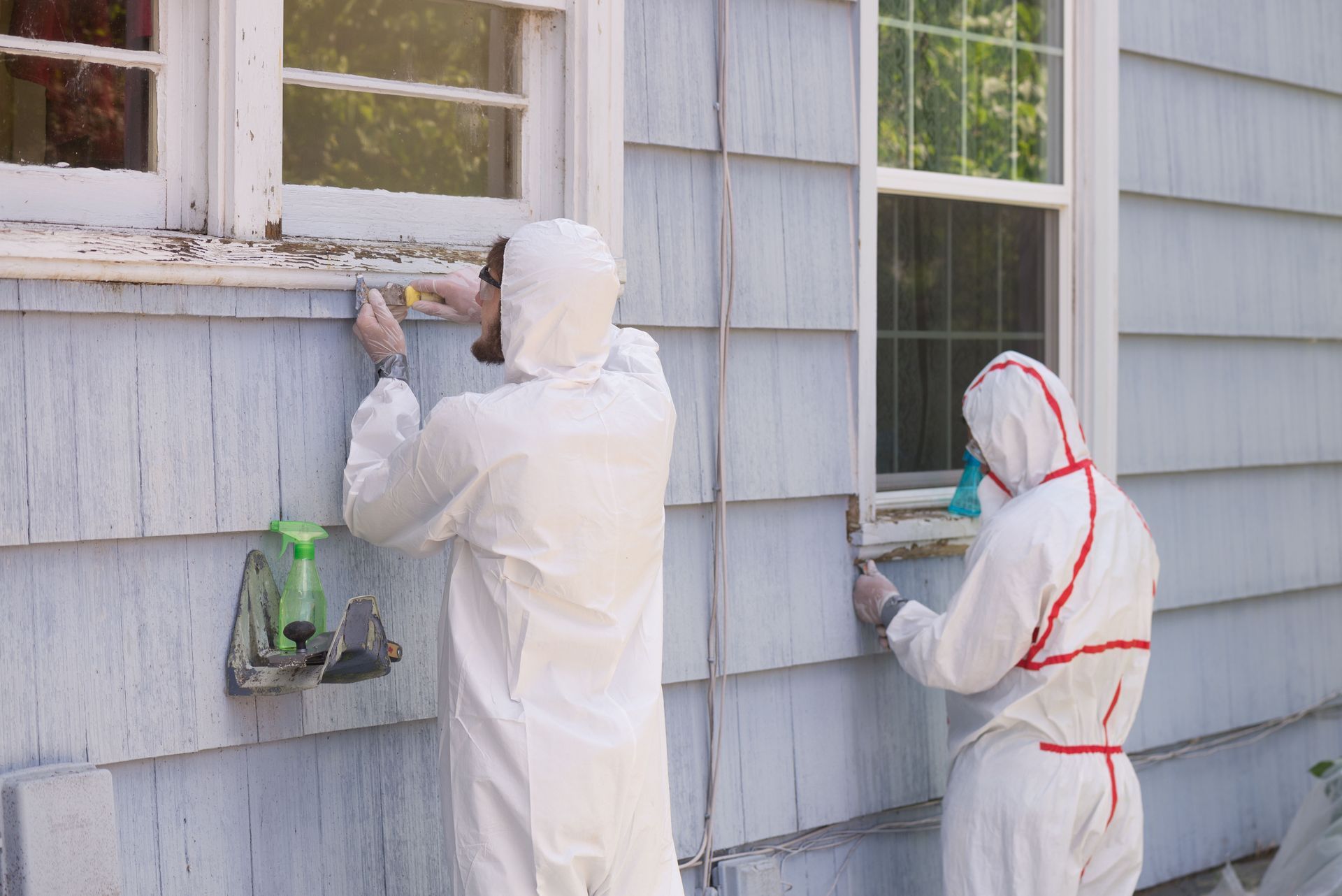
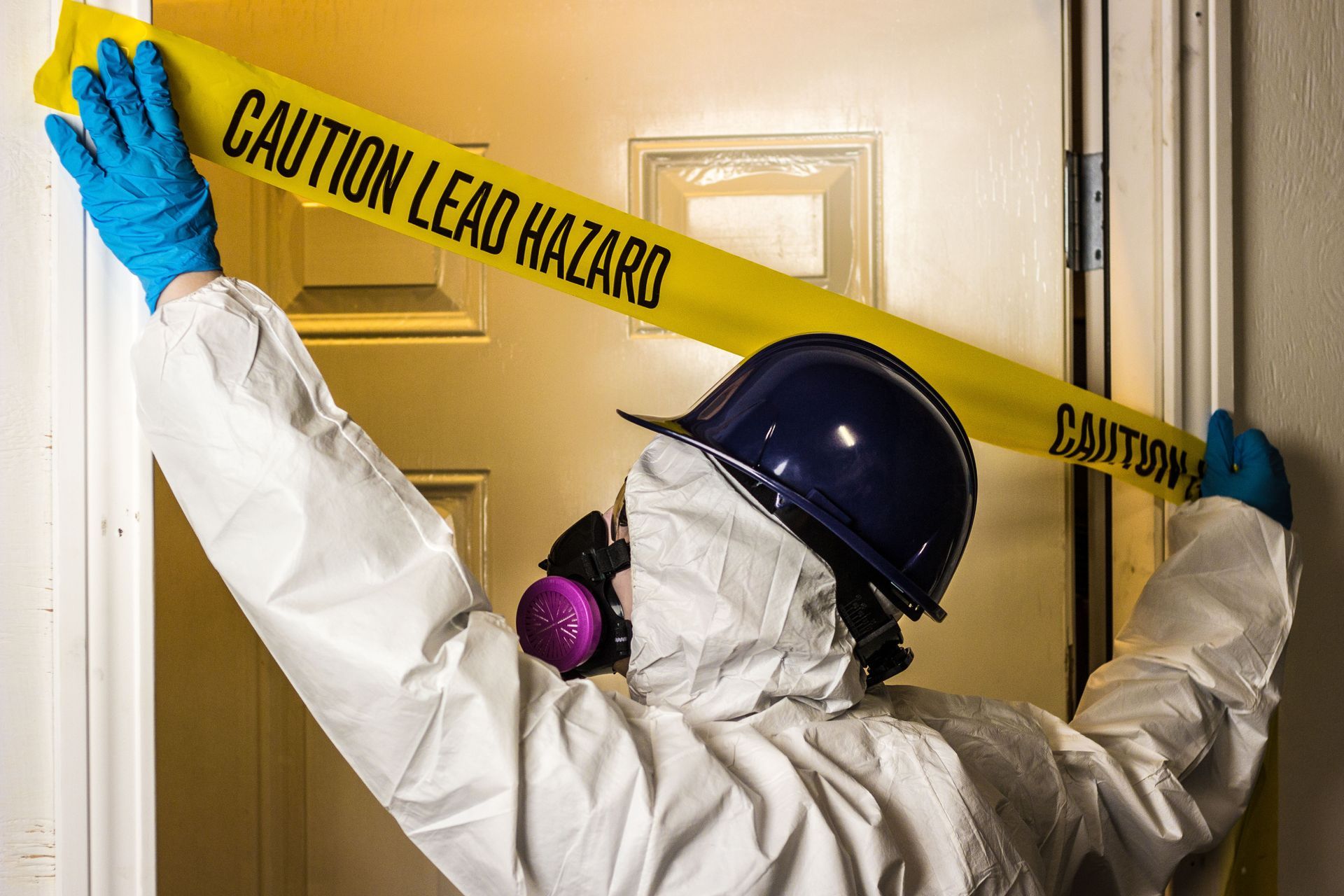
Other environmental hazards require attention as well. Lead-based paint can produce hazardous dust or debris when deteriorating surfaces are disturbed. Mold growth may spread when moisture problems remain unresolved, affecting additional building materials and indoor areas. Each substance presents different concerns, so the appropriate response depends on the material and the conditions at the property.
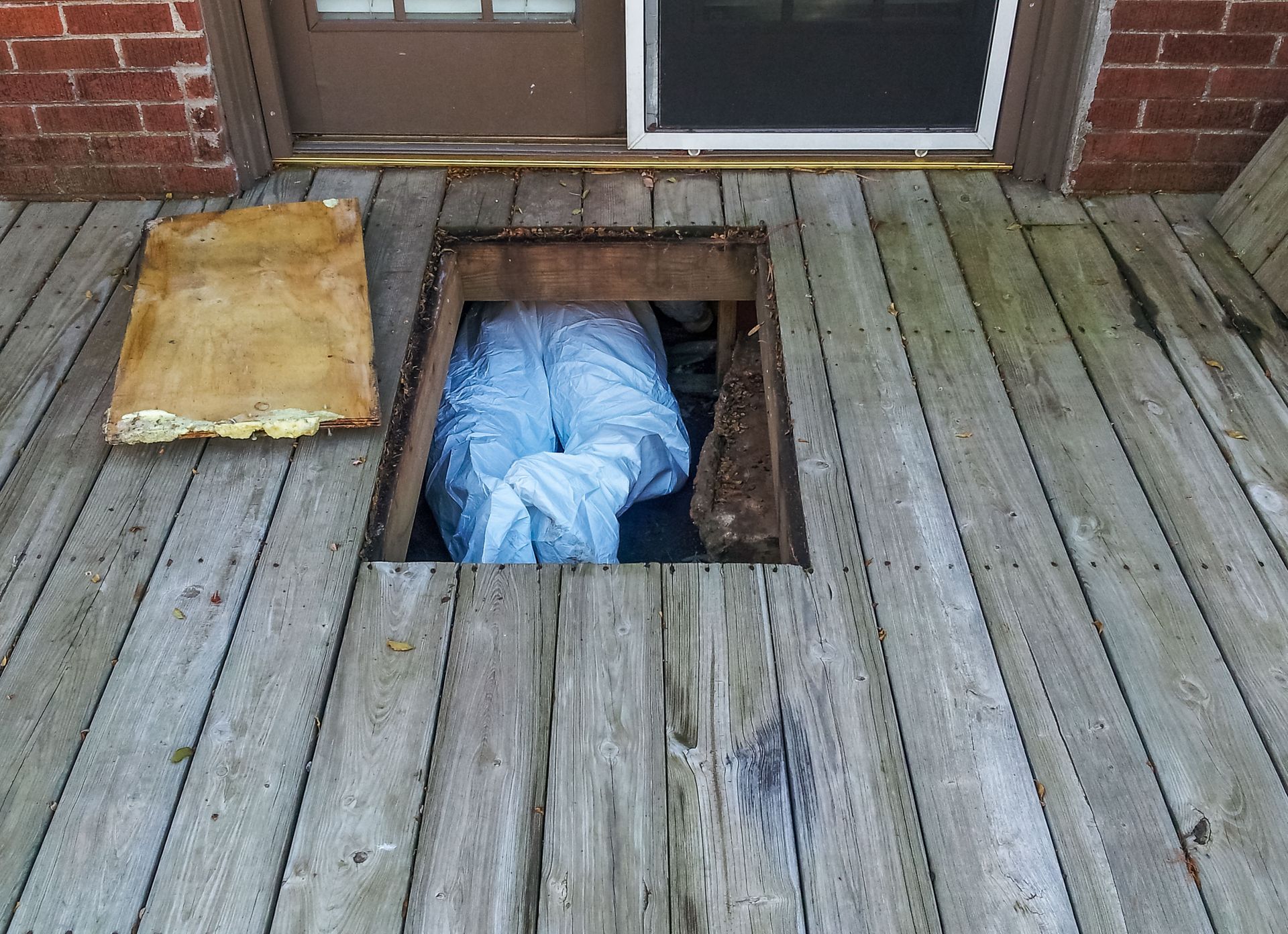
Professional remediation involves evaluating the affected space and determining the controls needed for the specific hazard. Asbestos removal services may include containment measures, removal or abatement, regulated waste handling, and post-removal testing, depending on the project. Addressing a problem through an appropriate process can help prevent unnecessary disturbance and reduce the likelihood of contamination spreading during work.
3. Creating Regulatory and Compliance Problems
Hazard removal is not only a matter of property maintenance. Certain projects involving asbestos and other regulated materials are subject to federal, state, and local requirements. Depending on the building, material, project type, and planned work, property owners and contractors may have responsibilities involving inspections, notifications, work practices, worker protection, and waste disposal.
Ignoring these obligations can create serious complications. A renovation or demolition project that proceeds without appropriate evaluation may encounter regulatory issues if hazardous materials are discovered after work has started. In some circumstances, work may need to stop while the site is assessed and the necessary procedures are arranged. Failure to follow applicable requirements can also result in enforcement actions or penalties.
New York property owners should pay attention to the rules that apply to their specific project. Requirements can differ based on the location and scope of the work, including whether a property falls under state or New York City oversight. A qualified professional can help identify relevant responsibilities and explain what documentation or procedures may be necessary.
Working with experienced asbestos removal services can support a more organized approach to hazard management. Professional assessment and remediation help project stakeholders understand the condition of the property and address identified materials in accordance with applicable requirements.
4. Delaying Renovations and Increasing Project Costs
Neglected hazardous materials can also interfere with renovation, maintenance, and demolition schedules. Contractors may discover asbestos-containing materials or other environmental concerns after a project has begun. When this happens, planned work may need to pause until the affected materials are evaluated and handled appropriately.
These interruptions can affect more than the immediate work area. Delays may require changes to contractor schedules, building access arrangements, material deliveries, and coordination with other trades. For commercial and industrial properties, extended disruptions can also affect employees, tenants, customers, and daily operations.
Early evaluation helps project teams understand potential hazards before construction activities disturb existing materials. This allows remediation to be considered during the planning stage rather than treated as an unexpected issue after work is underway. Asbestos removal services can be coordinated with renovation or demolition schedules so that identified materials are addressed before other activities proceed.
Costs may also become more difficult to manage when hazardous materials are discovered unexpectedly. The extent of the affected area, the type of material, site conditions, and required procedures all influence project needs. Addressing concerns early gives property owners more time to obtain estimates, plan the work, and coordinate the appropriate professionals.
5. Limiting Safe and Practical Property Use
A property affected by unresolved environmental hazards may become more difficult to use, maintain, lease, or prepare for a sale. The impact depends on the type of material, its condition, its location, and whether people could be exposed during normal occupancy or planned work.
For example, damaged asbestos-containing materials in an area scheduled for renovation may prevent that work from moving forward until the material has been assessed. Lead hazards may require attention in buildings where children or other occupants could encounter deteriorating paint or contaminated dust. Persistent moisture and mold concerns can also affect indoor spaces and building materials.
These conditions may raise questions for prospective buyers, tenants, employees, inspectors, and other stakeholders. Clear information about testing and completed remediation can help property owners explain how identified concerns were addressed. Although remediation does not guarantee a particular sale price or eliminate every property concern, organized records can provide useful information during future inspections and transactions.
Professional asbestos removal services can help property owners address identified asbestos hazards and document the work completed. Depending on the project, additional steps such as clearance testing may help verify that the affected area meets applicable criteria before it returns to normal use.
Professional hazard assessment is important before renovations, demolition, or repairs involving older or damaged materials. Testing helps identify asbestos, lead, or mold and determine the appropriate response.
Property owners should avoid disturbing suspected asbestos and contact qualified professionals. Experienced asbestos removal services providers can evaluate the site and recommend suitable procedures.
Hazard management may involve inspection, testing, containment, remediation, disposal, and verification. The required steps depend on the material, its condition, and applicable regulations.
Before hiring a contractor, property owners should review qualifications, certifications, insurance, safety procedures, and relevant experience. Clear communication about the project scope and schedule also helps ensure expectations are understood before work begins.
For properties in Southern New York, professional support can make hazardous material concerns easier to evaluate and manage. General Contracting Group (GCG Environmental) provides asbestos and lead testing and removal, mold remediation, interior demolition, and safety consulting.
The company also offers 24/7 emergency service and free same-day estimates. Contact the team today to discuss your property's needs and request an estimate for professional hazard assessment or remediation.