September 25, 2026
Asbestos and lead are toxic materials commonly found in historic properties built before modern safety standards. Classic homes possess architectural character, but they often hide hazardous substances that endanger occupants. Invisible asbestos fibers and deteriorating lead paint pose health risks when disturbed. Identifying hidden hazards is a crucial first step for homeowners.
Detecting toxic materials requires evaluating property age, visual decay indicators, and health symptoms. Many older structures contain layers of legacy components hidden beneath modern finishes. Understanding warning signs empowers property owners to take proactive steps before starting repairs. When environmental dangers are suspected, partnering with a certified lead removal company ensures testing and abatement meet strict standards.
1. Examine the Age and Architectural History of Your Home
The construction era of a building serves as a primary indicator of potential hazardous material exposure. Residences constructed decades ago regularly incorporated substances now recognized as health hazards. Builders during earlier periods favored materials praised for fire resistance, unaware of toxic effects. Identifying the precise era of your home provides vital guidance when assessing safety risks.
Historical renovations complicate the presence of dangerous substances within an older residence. According to HomeGuide, structures constructed in or prior to the 1970s often carry asbestos or lead, which necessitates professional hazardous material abatement a minimum of two weeks before any demolition work begins. Consulting a qualified lead removal company helps clarify how past updates introduced hazards into your space.
Distinct architectural styles carry specific risk profiles due to period building trends. Victorian, Colonial, and Mid-Century designs frequently featured specialty paints, textured plaster, and decorative trim rich in toxic compounds. Intricate woodwork and original window sashes in traditional homes often conceal hazardous layers beneath newer paint. Evaluating architectural background gives a clearer picture of remaining risks.
2. Inspect Construction Materials Throughout the Property
Building components across historic homes frequently contain hidden toxic substances. Pipe insulation, ceiling tiles, plaster wall mixtures, and siding panels were routinely made with durable mineral fibers. These materials remain stable when undisturbed, but maintenance or damage releases dangerous fibers into indoor air. Homeowners must examine core structural elements carefully.
Legacy plumbing systems and paint coatings represent major heavy metal exposure sources in older homes. Original plumbing configurations used metal alloys and solders that leach toxins into drinking water. Trim finishes, window frames, and siding panels harbor heavy metals that wear down into invisible dust. Identifying compromised elements early prevents widespread contamination.
Flooring and roofing materials serve as additional hiding places for hazardous substances in classic houses. Vintage floor tiles, specialized adhesives, and asphalt roofing shingles were engineered with mineral fibers. Disturbing these components without containment protocols circulates toxic particulates throughout living areas. Property owners should hire a professional lead removal company to evaluate structural elements before renovating.
3. Identify Visual Indicators of Degradation and Age
Visual inspection of interior and exterior surfaces often reveals clear warning signs of toxic materials. Paint surfaces displaying distinct cracking patterns resembling reptile scales—known as alligatoring—typically indicate high heavy metal content. Flaking, chalking, or peeling paint around doors, sashes, and baseboards indicates protective coatings are failing. Catching these visual cues early allows owners to contain toxic dust.
Deteriorating insulation around heating ducts and plumbing pipes offers another visual warning of environmental risks. Legacy pipe wrapping often appears fibrous, corrugated, or frayed at joints, signaling internal fibers are breaking down. Textured popcorn ceilings, acoustic plaster, and joint compounds may show signs of crumbling. Hiring a licensed lead removal company ensures degrading surfaces are evaluated safely.
Unusual surface textures and mismatched architectural repairs point to historical material contamination. Renovated plaster sections, odd tile sizes, or discolored attic insulation warrant physical scrutiny. Normal wear and tear destabilizes aging finishes over time, releasing hazardous particles into indoor air. Recognizing physical decay enables homeowners to address problems before minor defects become major hazards.
4. Recognize Unexplained Health Symptoms and Illnesses
Unexplained health issues among household members can stem from toxic materials hidden inside the residence. Inhaling microscopic mineral fibers causes chronic respiratory discomfort, persistent coughing, and reduced lung capacity over time. Because symptoms develop slowly, residents may not immediately link ailments to structural home components. Tracking persistent health complaints provides crucial clues regarding air quality.
Exposure to toxic heavy metal dust produces distinct neurological and physical symptoms across age groups. Young children are exceptionally vulnerable, exhibiting developmental delays, behavioral changes, and learning difficulties when exposed to dust. Adults may experience headaches, abdominal pain, mood alterations, and fatigue without an obvious medical cause. Identifying symptoms is vital for protecting family members.
Tracking health patterns relative to time spent inside the home helps establish a connection to structural hazards. If physical ailments decrease when residents spend extended time away, indoor environmental factors are likely responsible. Learning about the health history of previous occupants offers valuable context regarding exposure. Working with a dependable lead removal company enables homeowners to resolve root hazards.
5. Schedule Professional Testing and Risk Assessments
Professional environmental testing is the most accurate method for identifying hidden hazardous materials in historic houses. Certified specialists use diagnostic equipment to collect samples safely without scattering dangerous particles through living areas. While over-the-counter test kits offer basic initial insights, they lack the precision required for complete evaluations. Hiring a certified lead removal company ensures every room undergoes diagnostic assessment.
Certified inspectors deliver detailed risk assessment reports mapping exact locations and concentrations of hazardous materials. These evaluations analyze exposure pathways, material stability, and potential risks connected to future remodeling projects. Comprehensive reports provide clear documentation that helps owners prioritize abatement tasks based on urgency and risk. Accurate diagnostic data eliminates guesswork, supporting strategic planning.
Understanding inspection results allows property owners to create effective management plans tailored to their home layout. Risk assessments help distinguish between stable materials requiring monitoring and damaged components needing immediate removal. This structured diagnostic approach maintains compliance with safety standards while protecting occupants. Comprehensive testing serves as the foundation for successful historic home restoration.
6. Implement Safe Remediation and Abatement Solutions
Choosing between material encapsulation and complete physical removal depends on the condition and location of identified hazards. Encapsulation seals toxic surfaces with protective coatings, preventing dangerous dust or fibers from escaping into indoor spaces. Complete removal is necessary when materials are severely damaged or located in high-traffic areas. Consulting an experienced lead removal company helps owners select the safest remediation strategy.
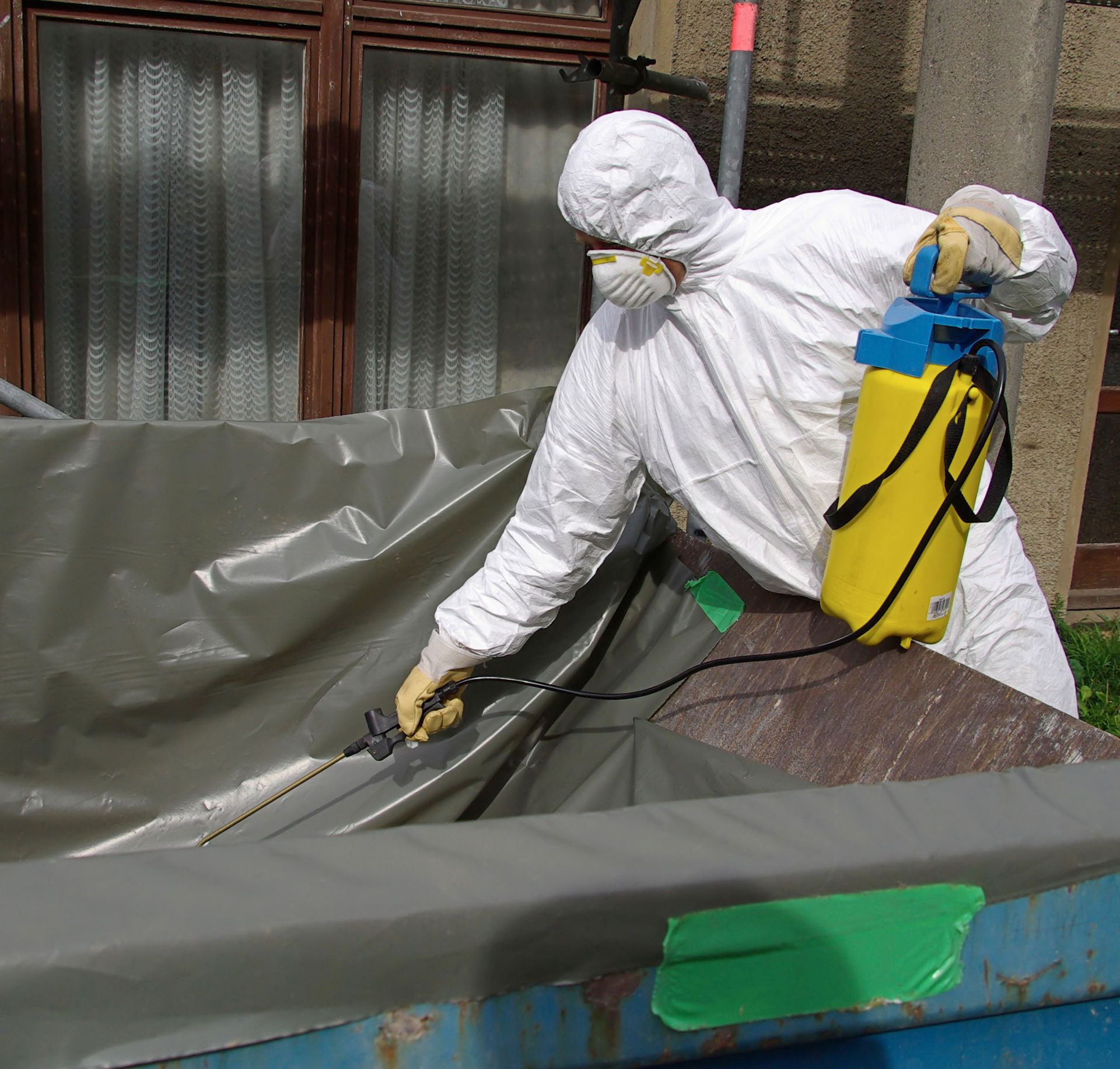
Safe remodeling practices are essential when executing structural updates in historic properties containing hazardous substances. Containment barriers, negative air units, and specialized air filtration prevent microscopic dust from spreading to clean living areas during work. Professional contractors follow strict handling protocols to ensure toxic debris is disposed of legally. Implementing safety measures protects workers and household members.
Post-abatement clearance testing provides final confirmation that environmental hazards have been completely removed from the home. Certified technicians perform air sampling and surface wipe tests to verify living spaces meet clean air standards. Receiving official clearance documentation offers homeowners peace of mind and protects long-term property value. Relying on a trustworthy lead removal company guarantees abatement procedures deliver verifiable safety results.
Managing hidden environmental hazards is a vital responsibility for anyone owning or restoring a historic property. By recognizing architectural eras, identifying visual signs of material decay, and monitoring health symptoms, homeowners can effectively address hidden risks. Timely diagnostic testing and professional abatement preserve structural integrity, maintain home value, and protect occupant health for years to come.
Taking proactive steps to identify and eliminate hidden hazards ensures your historic property remains a safe, welcoming sanctuary. Proper environmental management requires specialized technical expertise, precision, and adherence to strict safety standards. Contact General Contracting Group (GCG Environmental) today so we can assist you with comprehensive testing and professional abatement services for your historic home.