August 14, 2026
Asbestos is a group of naturally occurring silicate minerals characterized by their fibrous crystalline form. Its historical use in construction and manufacturing, due to properties such as heat resistance, made it a popular but hazardous choice. Proactively working with experts in asbestos removal is crucial to mitigating its associated health risks and minimizing prolonged harm.
Understanding the dangers of asbestos is essential, as it can cause serious health issues. Engaging certified professionals for asbestos removal not only ensures safety but also legal compliance. This article explores the various facets of asbestos, its risks, and the importance of expert management in its mitigation.
The predominant concern with asbestos is its potential to cause deadly diseases like mesothelioma, lung cancer, and others. It is crucial to comprehend its composition and the methods employed for safe removal. By taking proactive measures, prolonged exposure and its consequences can be effectively minimized.
What is Asbestos Abrasive and Why is it Harmful?
Understanding Asbestos Composition
Asbestos is found naturally in the environment and is composed of six different types of silicate minerals. These include chrysotile, amosite, crocidolite, and others, each with distinct characteristics. The fibrous nature of these minerals is what makes them useful in industrial applications. However, these fibers are easily inhaled, leading to significant health risks.
Due to its durability and heat-resistant properties, asbestos was widely used in building materials. Its microscopic fibers, when disturbed, tend to linger in the air, posing an inhalation risk. Even minor exposure can lead to severe health problems, reinforcing the need for careful, expert handling. Realizing its adverse effects, many countries have now banned its use.
Once in the body, asbestos fibers settle in the lungs or abdomen and remain there for a long time. According to Mesothelioma.Com, symptoms of asbestos-related diseases often do not manifest for 10 to 50 years post-exposure. This latency makes it critical to understand the composition of asbestos and the associated health risks. Identifying and removing asbestos early can drastically reduce the incidence and severity of diseases associated with it.
Health Risks Associated with Asbestos Exposure
Exposure to asbestos is primarily through inhalation of airborne fibers, which the body cannot expel. This exposure is directly linked to illnesses such as asbestosis, a chronic lung disease, mesothelioma, a cancer affecting the lining of the lungs or abdomen, and other cancers. The tiny fibers cause inflammation and scarring over time, eventually compromising lung function.
It's important to note that asbestos-related diseases typically have a long latency period. This means individuals exposed to asbestos may not show symptoms for decades. Misdiagnosis is possible, given the extended period between exposure and disease manifestation. Such cases highlight the critical importance of early detection and expert involvement.
Recognizing these health risks, it is imperative for industries and residences with potential asbestos presence to seek assessment and intervention from experts. Long-term exposure without appropriate management drastically intensifies the risk of these illnesses. Implementing stringent control measures and undergoing regular health checkups are vital steps in health risk reduction.
How Can Experts Assist in Asbestos Removal Efficiently?
Role of Certified Asbestos Removal Experts
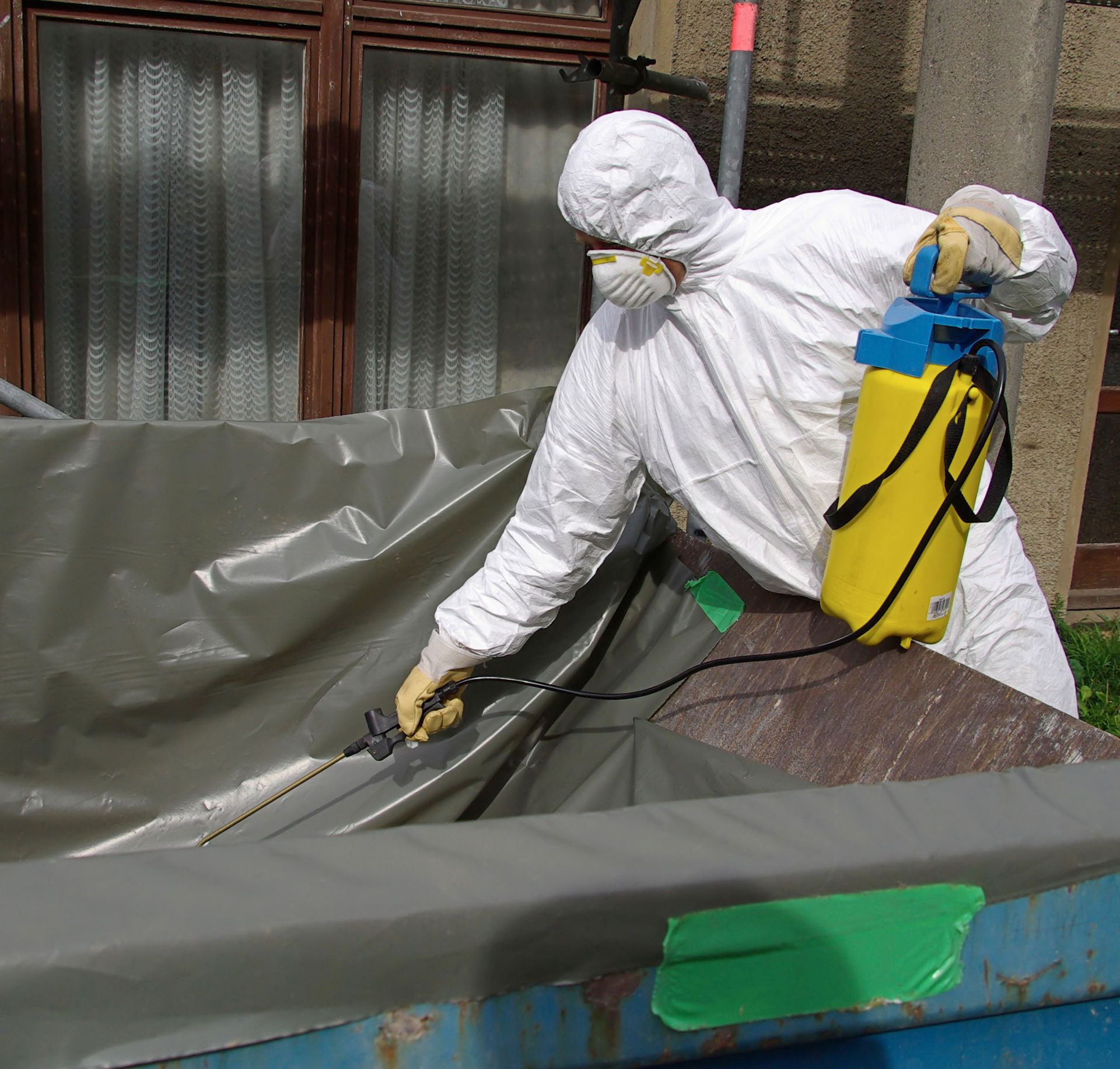
Certified asbestos removal experts are integral to effectively and safely managing the dangers of asbestos. They undergo rigorous training and adhere to regulated procedures to ensure compliance and public safety. These professionals are equipped with specialized knowledge and tools to efficiently assess and remediate asbestos situations.
Their primary role is to evaluate areas suspected of asbestos contamination and devise appropriate removal strategies. Their expertise minimizes exposure risk to both the workers and the general population, adhering to strict health and safety standards. These experts are also adept at documenting and reporting, ensuring transparency throughout the process.
Utilizing their services provides peace of mind that remediation efforts align with legal and environmental standards. They not only remove existing asbestos but also advise on maintaining a safe environment post-removal. As complexity arises in certain scenarios, their expertise becomes even more crucial to effective management.
Methods and Techniques Used in Asbestos Removal
Several methods and techniques are employed by experts to ensure safe asbestos removal. Common practices include wet methods, where asbestos is kept moist to prevent airborne fiber release, and the use of HEPA-vacuuming for cleaning up waste. Proper disposal is crucial; experts ensure all materials are appropriately sealed and labeled before disposal.
Another effective technique is encapsulation, where materials containing asbestos are treated with a sealant to prevent fiber release. Sometimes, enclosure methods are used, involving creating a physical barrier to contain the asbestos. The choice of method depends on the nature and extent of the asbestos present and its location.
Each technique requires precise handling, underscoring the importance of professional involvement. Conducting removal without professional aid can be hazardous, increasing the likelihood of contamination and legal repercussions. Experts follow protocols tailored to each situation, guaranteeing the minimal risk of exposure and long-term safety.
What Costs are Involved in Asbestos Removal and Management?
Factors Influencing the Cost of Removal
The cost of asbestos removal can vary widely depending on several factors, including the size of the contaminated area, the type of materials involved, and the complexity of removal. Accessibility and location of the asbestos significantly influence costs. Restricted spaces may require additional labor and specialized equipment.
Additional costs may arise from the need for permits, inspections, and post-removal site restoration. Disposal of hazardous materials is another cost component, dictated by stringent regulations on handling and transporting asbestos waste. These factors cause project expenses to be highly variable, requiring expert evaluation for accurate estimation.
While initial evaluations and tests may incur costs, they are crucial in determining the best course of action. Adopting a comprehensive approach that includes potential legalities and safety measures ensures cost-effectiveness in the long term. Balancing these considerations against health benefits underscores the necessity for professional involvement, ensuring compliance and safety.
Cost Comparison: DIY vs Professional Removal
Deciding between DIY and professional asbestos removal involves evaluating the true cost implications of each approach. While DIY might seem cost-effective initially, it often leads to incomplete or dangerous outcomes. The lack of specialized knowledge and equipment increases the risk of exposure, leading to potential health costs.
Professionals, on the other hand, offer comprehensive services that cover assessment, removal, and compliance with regulations. Their costs integrate all necessary precautions and safety measures, justifying the upfront investment. Experts also handle disposal following strict protocols, significantly reducing legal liabilities.
In the long run, the higher upfront costs of hiring professionals often translate into savings by preventing medical expenses and legal fees. Evaluating the full scope of safety, health, and legal considerations, professional removal emerges as the more reliable and cost-effective option. It offers peace of mind with its thoroughness and adherence to all safety standards.
The risks of asbestos exposure are severe and demand immediate and expert intervention. Using certified professionals to guide and execute asbestos removal ensures compliance, safety, and health benefits. Proactive engagement with experts can greatly mitigate the long-term effects of exposure and offer peace of mind.
Each section of this article underscores the significance of expert involvement from identification through to remediation. The balance of potential costs with the significant health benefits reinforces the value of professional assistance. Recognizing the silent threat of asbestos allows for preventative measures that protect both current and future generations.
The complexities and potential dangers surrounding asbestos require informed, prompt, and expert-led actions. As society becomes increasingly aware of the risks, proactive measures with expert input are paramount in safeguarding public health. This approach ensures environments free from the hazards of asbestos, promoting long-term safety and wellness. Reach out to General Contracting Group (GCG Environmental) today to see how we can help you!