May 20, 2026
Navigating the safety of your living environment is a paramount responsibility for every homeowner, particularly those residing in older structures built before modern regulations were established. Among the various hidden hazards that can lurk within the walls and pipes of a residence, lead remains one of the most persistent and dangerous threats. Exposure to this heavy metal can occur through dust, paint chips, or contaminated water, often without any immediate or obvious signs. Understanding the gravity of the situation is the first step toward creating a healthy haven for your loved ones.
The process of securing a home involves a combination of awareness, professional testing, and strategic intervention. While the presence of lead might seem like a relic of the past, many houses still contain layers of legacy materials that require careful handling. Modern science and environmental safety protocols have paved the way for effective solutions that minimize risk during the remediation process. By following a structured approach to identifying and addressing these hazards, you can significantly reduce the potential for accidental ingestion or inhalation. This article explores the essential steps involved in safeguarding your household through professional lead removal techniques and vigilant home management.
Identifying Potential Hazards
Recognizing where danger hides is the cornerstone of any safety plan. In many residential settings, the most common source of exposure is found in paint applied decades ago. Over time, this paint can crack, peel, or turn into microscopic dust that settles on floors and window sills. This dust is particularly hazardous because it is easily inhaled or transferred from hands to mouths during daily activities. Beyond walls and trim, lead can also exist in older plumbing fixtures, solder used on pipes, and even the soil surrounding the exterior of the house, where exterior paint may have flaked off over the years.
Homeowners should pay close attention to high-friction areas such as door frames, window tracks, and stair railings. The constant opening and closing of doors or windows can grind down old paint layers, releasing invisible particles into the air. Identifying these zones allows for targeted cleaning and helps prioritize which areas of the home require immediate professional intervention. Vigilance in monitoring the physical condition of your home’s surfaces is an ongoing task that serves as an early warning system against environmental toxins.
Protecting Vulnerable Residents
The biological impact of heavy metal exposure is not uniform across all age groups, as developing bodies are far more susceptible to the neurological damage caused by these toxins. According to the CDC, children younger than six years of age are most vulnerable to lead poisoning. This susceptibility arises because their nervous systems are still developing, and their bodies absorb the metal more efficiently than adults.
For families with young children or those expecting a new addition, the urgency of assessing the home environment is significantly higher. Even low levels of exposure can lead to learning disabilities, behavioral issues, and physical growth delays. Protecting these vulnerable residents requires a multi-faceted approach that includes frequent hand washing, cleaning toys regularly, and ensuring that children have a diet rich in calcium and iron, which can help decrease the body's absorption of the metal.
Consulting Professional Specialists
While some home improvement tasks are well-suited for the weekend warrior, the elimination of toxic substances is not one of them. Engaging with experts who specialize in lead removal is essential to ensure that the process does not actually increase the risk to your family. Professionals possess the specialized equipment, such as high-efficiency particulate air vacuums and heavy-duty containment barriers, necessary to prevent the spread of dust during the remediation process. They are trained in specific work practices that keep the work area isolated from the rest of the living space.
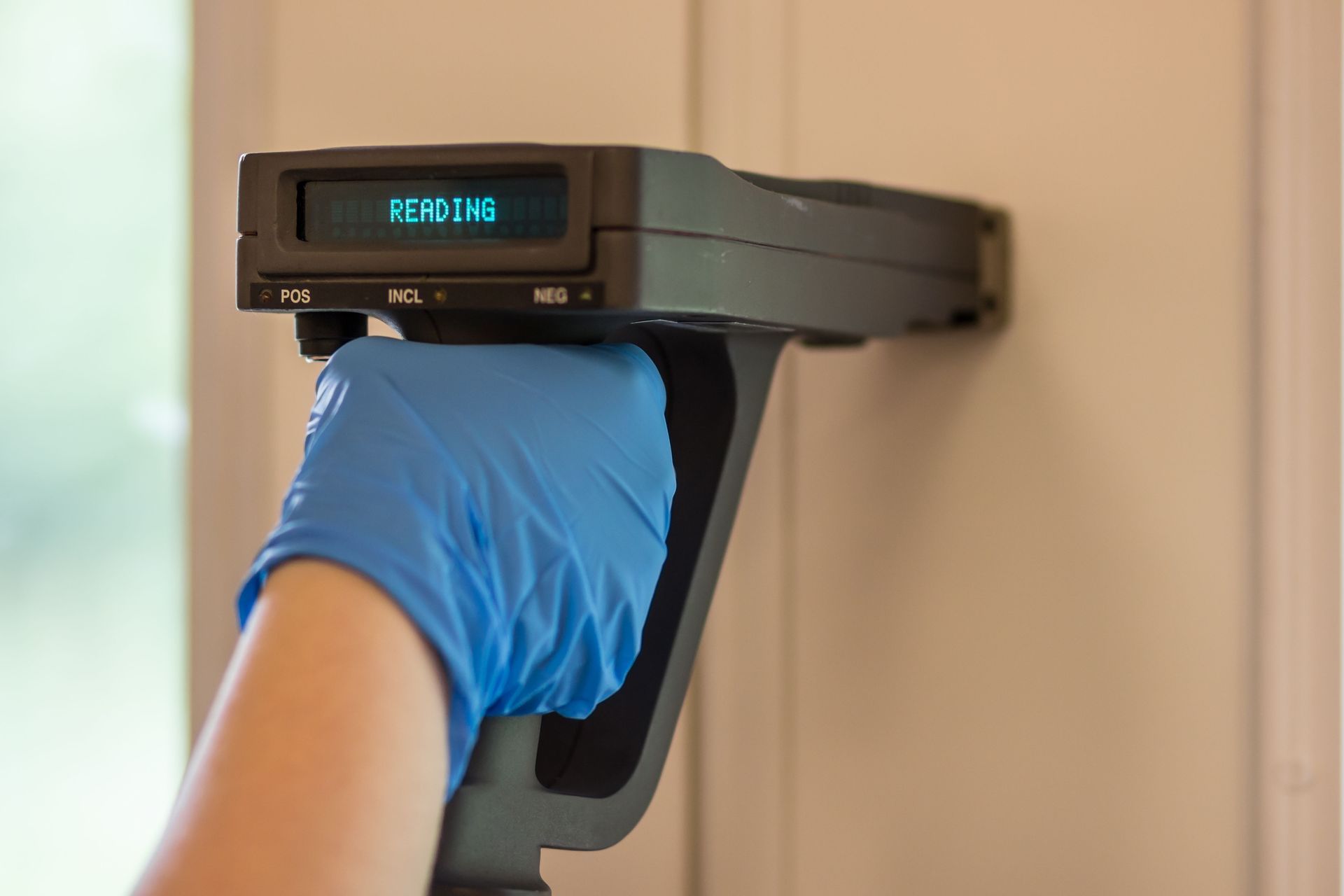
A professional assessment typically begins with a comprehensive inspection using specialized tools like X-ray fluorescence analyzers. This technology allows technicians to see through layers of paint without damaging the surface, providing a clear map of where the hazards are located. Once the scope of the problem is understood, these specialists can recommend the best course of action, whether it be full abatement, enclosure, or encapsulation.
Implementing Abatement Strategies
The actual process of neutralizing the threat involves several sophisticated strategies designed to provide a permanent solution. Abatement is the most thorough method, involving the complete physical extraction of the hazardous materials. This might include:
- Replacing entire components like windows, doors, and trim pieces
- Stripping paint using specialized heat guns or chemical pastes that do not create toxic fumes
- Removing contaminated soil from the perimeter of the residence and replacing it with clean fill
- Scraping and sanding surfaces using tools equipped with integrated vacuum systems to capture every particle
Each of these steps requires precision and a commitment to safety protocols. If a homeowner attempts these tasks without proper training, they run the risk of creating a massive cloud of toxic dust that can permeate carpets, upholstery, and ventilation systems. By choosing professional lead removal, you ensure that the hazardous materials are not only removed but also disposed of at an authorized facility that handles toxic waste.
Maintaining Safe Environments
Once the primary remediation work is complete, maintaining a clean home remains a vital part of the safety equation. Even after a successful lead removal project, homeowners should adopt specific cleaning habits to manage any residual dust or future external contamination. Using a wet-mop technique on hard floors instead of sweeping prevents dust from becoming airborne. Similarly, wiping down window sills and other flat surfaces with damp cloths ensures that any settled particles are captured and discarded rather than recirculated.
It is also wise to implement a "shoes-off" policy at the entrance of the home. This simple habit prevents lead-contaminated soil from being tracked inside from the yard or the street. Regularly inspecting the condition of any remaining encapsulated surfaces is also necessary. If an encapsulated wall becomes damaged or a new leak occurs, it could expose old layers of paint once again. Ongoing maintenance and a high standard of cleanliness serve as a secondary defense, ensuring that the benefits of professional intervention are preserved over the long term.
Evaluating Final Results
The conclusion of a remediation project should always be marked by a rigorous testing phase to confirm that the environment is truly safe. Post-abatement clearance testing involves taking dust wipe samples from various surfaces throughout the work area and the rest of the home. These samples are analyzed by a laboratory to ensure that the levels are well below the safety thresholds established by environmental protection agencies. Only after receiving a clean bill of health should the family reoccupy the treated areas.
Successful lead removal provides a significant boost to the value of a property and the health of its occupants. Knowing that the walls, windows, and pipes of your home no longer pose a threat to your children allows you to enjoy your living space without the shadow of invisible danger. This process is an investment in the future, providing a foundation for healthy development and a worry-free lifestyle. While the journey to a lead-free home requires effort and investment, the reward of a protected family is immeasurable.
If you are concerned about the age of your home or have noticed signs of deteriorating paint, do not wait for symptoms to appear before taking action. Professional testing is the only way to be certain about the safety of your environment. For homeowners seeking an expert partner to navigate the complexities of environmental safety and comprehensive lead removal, the most reliable choice is to contact General Contracting Group (GCG Environmental).