July 23, 2026
The architectural charm of historic and mid-century buildings often masks a silent, microscopic hazard that continues to pose severe health risks to occupants and renovators alike, making asbestos removal a critical modern necessity. Our contractors know that, despite decades of stringent regulations and widespread awareness, millions of residential, commercial, and public properties constructed before the late 20th century still contain substantial amounts of toxic structural substances. This comprehensive guide explores where these hazards hide, the devastating medical consequences of inhalation, and the professional protocols required to mitigate this persistent environmental threat safely.
Identifying Common Hazards in Vintage Structures
To effectively manage the legacy of toxic building materials and plan for potential asbestos removal, property owners must first recognize where these substances are most likely to reside. For decades, asbestos was hailed as a miracle mineral due to its exceptional tensile strength, resistance to chemical degradation, and unparalleled fireproofing capabilities, leading to its integration into thousands of building products. It was routinely mixed into plaster, ceiling tiles, vinyl flooring adhesives, and roofing shingles to improve structural durability and longevity.
Thermal insulation remains one of the most widespread and volatile sources of exposure found in residential basements and commercial mechanical rooms. Pipe wrapping, boiler blankets, and loose-fill vermiculite insulation often contain high concentrations of friable fibers that can crumble under the slightest physical pressure. Similarly, textured finishes, such as the once-ubiquitous "popcorn ceilings," frequently contain these toxic particles, rendering standard cosmetic renovations surprisingly hazardous for uninformed DIY enthusiasts.
Exterior elements are not exempt from these contamination risks either, as fiber-cement siding, corrugated roofing panels, and old flashing materials routinely utilized these dangerous mineral additives. Because these materials are subject to weathering, UV degradation, and physical damage over time, they gradually become brittle, creating a continuous risk of releasing hazardous airborne particles into the immediate surrounding environment.
Analyzing Market Dynamics and Industry Standards
The scale of this issue is reflected in the commercial remediation sector, where professional asbestos removal remains a critical necessity for public safety and property compliance. According to industry data from Grand View Research, Class I remediation services dominate the sector, capturing a commanding 46.8% share of the market in 2024, driven by the urgent need to safely manage the extraction of hazardous materials from insulation and thermal systems, which are heavily prevalent throughout older infrastructure.
This market dominance underscores the reality that high-risk, high-concentration materials require specialized containment, negative pressure zones, and highly trained personnel to prevent cross-contamination. The sheer volume of properties requiring comprehensive thermal abatement ensures that professional remediation services will remain a vital pillar of the construction and property management industries for decades to come. As compliance laws tighten globally, the financial and operational resources allocated to these safety interventions continue to grow exponentially.
Understanding these market forces highlights why property owners cannot afford to take shortcuts when dealing with suspected contamination. The high costs and strict operational protocols associated with high-tier abatement services reflect the extreme danger these materials pose when disturbed without industrial-grade containment systems. Consequently, understanding the economic and regulatory landscape of professional mitigation is essential for any responsible real estate stakeholder.
Evaluating Severe Health Outcomes of Fiber Inhalation
The medical imperative for strict containment and professional asbestos removal stems from the uniquely destructive nature of microscopic mineral fibers on human physiology. When asbestos-containing materials are disturbed, they release microscopic, needle-like fibers into the air that can remain suspended for hours or even days. When inhaled, these jagged particles bypass the body's natural filtration systems, lodging themselves deep within the lung tissue and the protective mesothelial linings.
Once embedded, these indestructible fibers cannot be broken down or expelled by the body's immune system, leading to chronic inflammation, cellular mutation, and progressive scarring over several decades. Asbestosis, a severe and irreversible respiratory disease characterized by widespread scarring of the lung tissue, causes permanent loss of lung elasticity, severe shortness of breath, and an increased strain on the cardiovascular system. This condition progresses slowly but relentlessly, drastically reducing the patient's quality of life.
Beyond chronic respiratory failure, exposure is a definitive, proven cause of several fatal malignancies, most notably mesothelioma, an aggressive cancer affecting the lining of the lungs, abdomen, or heart. Mesothelioma is notoriously difficult to treat and carries an exceptionally poor prognosis, often manifesting thirty to fifty years after the initial exposure occurred. Additionally, lung, colorectal, and gastrointestinal cancers have been strongly linked to chronic fiber ingestion and inhalation, emphasizing that no level of exposure can be considered safe.
Implementing Safe Protocols for Asbestos Removal
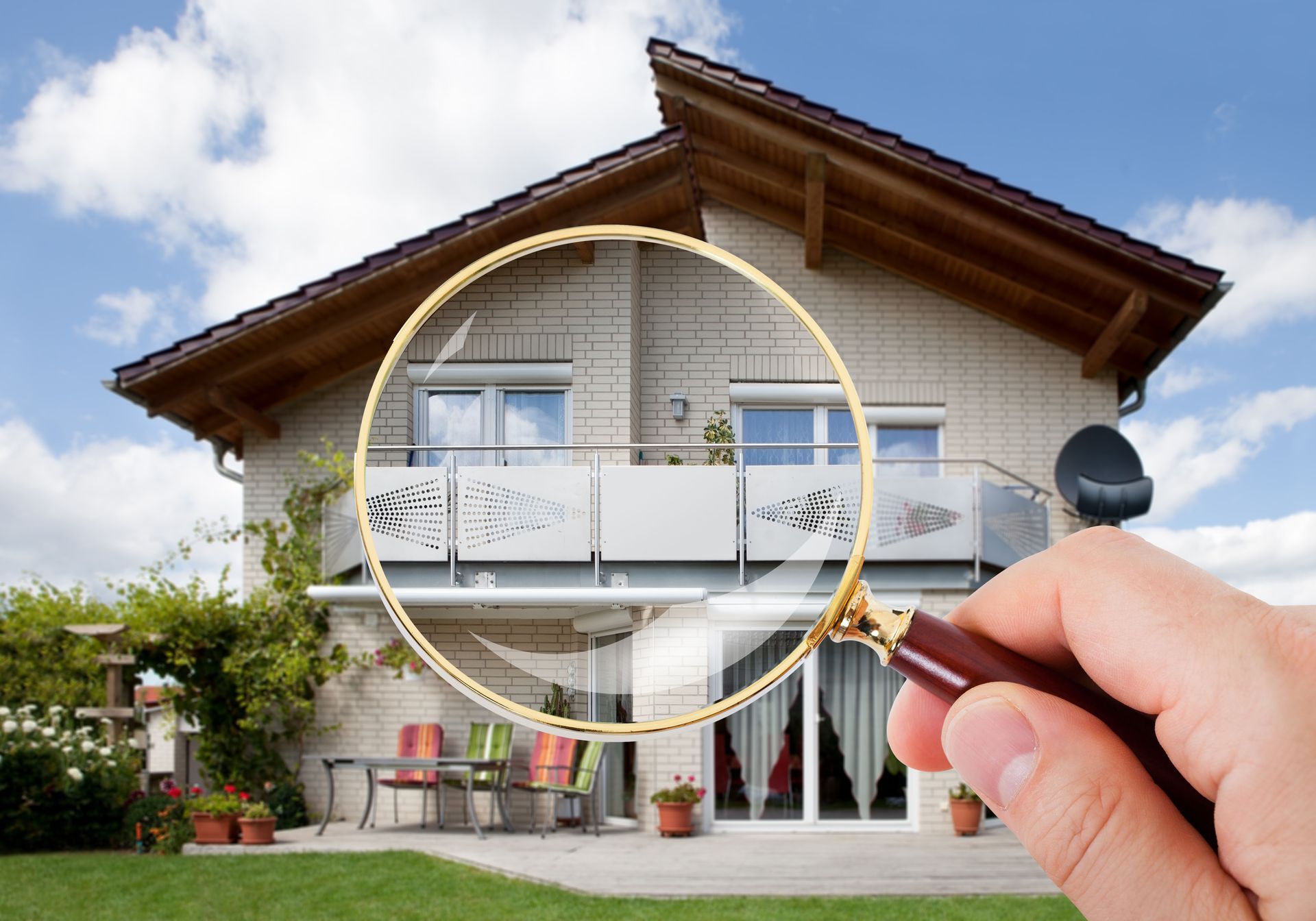
Given the catastrophic health implications of improper handling, any suspected material must be managed through formalized, multi-phase safety protocols. The process begins with a comprehensive inspection and laboratory testing conducted by a certified industrial hygienist, who collects microscopic samples under controlled conditions. If the presence of dangerous fibers is confirmed, a meticulous plan for professional asbestos removal must be engineered before any demolition or remodeling work commences.
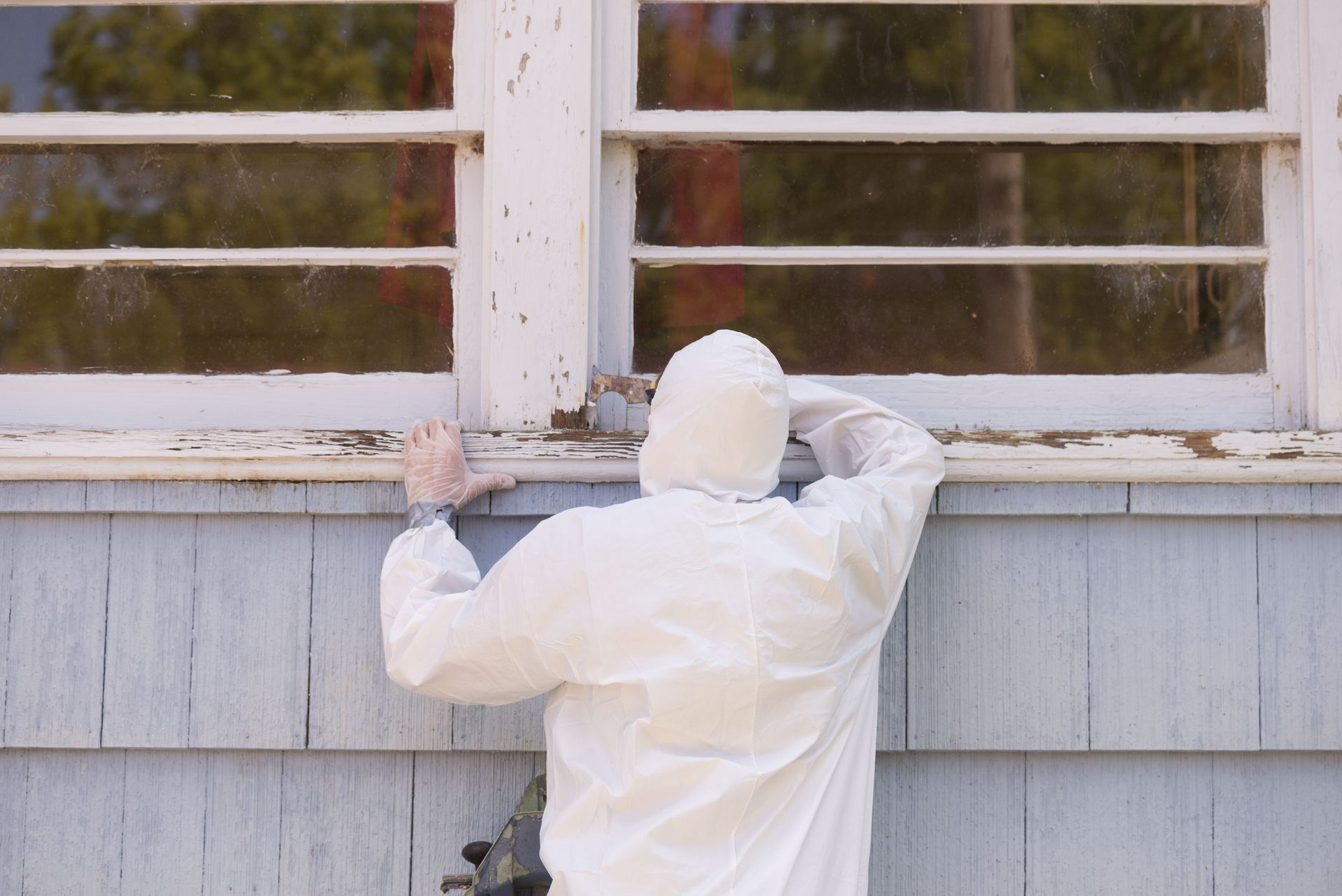
A compliant workflow requires the complete isolation of the work zone using heavy-duty poly sheeting and specialized negative air pressure machines equipped with HEPA filtration. This setup ensures that any fibers liberated during the abatement process are trapped securely within the containment zone rather than escaping into adjacent clean areas. Technicians must wear full-body protective suits and advanced respiratory protection throughout the entire extraction sequence.
During the actual physical abatement phase, workers apply specialized wetting agents to the target materials, as moisture effectively suppresses dust and prevents fibers from becoming airborne. Once carefully detached, the contaminated debris is sealed inside labeled, puncture-proof hazmat bags and transported to designated toxic waste landfills. Following the physical clearance of the materials, extensive air clearance testing must be performed by an independent third-party laboratory before the containment structures can be dismantled and the area declared safe for general occupancy.
Managing Long-Term Property Risks and Compliance
For landlords, facility managers, and residential property owners, proactive risk management is both a legal obligation and a financial necessity. Failing to identify and properly execute asbestos removal before structural disruptions can result in catastrophic financial liabilities, severe regulatory fines from organizations like OSHA and the EPA, and devastating personal injury lawsuits. Implementing a comprehensive Asbestos Operations and Maintenance plan is essential for controlling materials that remain in good, undisturbed condition.
Real estate transactions involving older structures now routinely mandate exhaustive environmental disclosures, meaning that unmitigated hazards can severely depress property values or derail sales entirely. Forward-thinking investors should always integrate comprehensive environmental testing into their initial due diligence phases to avoid unexpected, budget-busting mitigation requirements down the line. When contamination is discovered, allocating immediate capital for proper abatement protects both human health and long-term asset value.
Ultimately, shifting from a reactive mindset to a proactive strategy is the most cost-effective approach to property stewardship. Regular structural inspections, clear communication with tenants, and maintaining partnerships with licensed environmental contractors ensure that aging buildings remain safe, compliant, and viable for future generations. Ignoring these hidden hazards only exacerbates the risks, while decisive, informed management eliminates the danger entirely.
Executing Professional Abatement for Public Safety
When property owners finally face the reality of structural contamination, the logistical execution of a certified asbestos removal strategy becomes the single most critical factor in safeguarding public health. Attempting to handle these hazardous materials through standard contracting methods or untrained manual labor invariably leads to widespread contamination and severe long-term medical liabilities. Only specialized environmental contractors possess the technical expertise, specialized equipment, and legal licensing required to permanently eliminate these invisible microscopic dangers from our living and working environments. For more on managing hazard removal risks, please contact General Contracting Group (GCG Environmental).