June 10, 2026
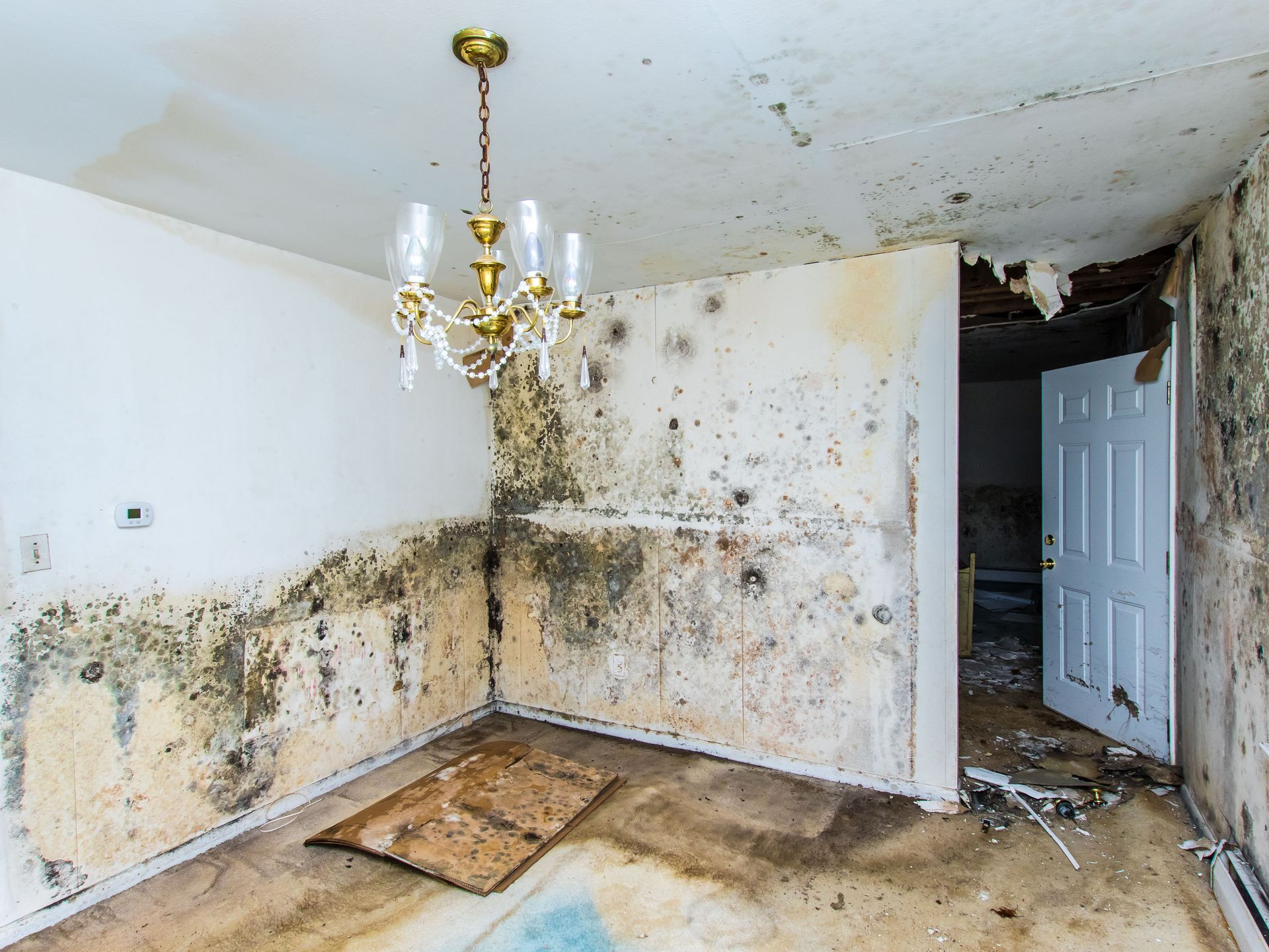
Older homes often attract buyers with their charm, craftsmanship, and established locations. From historic architectural details to mature landscaping, these properties can offer features that are difficult to find in newer construction. However, purchasing an older home requires more than evaluating curb appeal and square footage. Smart buyers must also consider potential environmental hazards that may be hidden behind walls, beneath flooring, or within aging building materials.
Two of the most significant concerns in older residential properties are lead and asbestos. Both materials were commonly used in construction for many years before their health risks became widely understood. While the presence of these materials does not automatically make a home unsafe, it does mean buyers should conduct thorough evaluations before finalizing a purchase.
Review the Property’s Age and Renovation History
The first step in evaluating any older home is understanding its history. The age of a property often provides important clues about the materials that may have been used during construction. Homes built during earlier decades frequently incorporated products that are now known to pose health risks.
Buyers should request documentation related to previous renovations, repairs, inspections, and building permits. These records may reveal whether hazardous materials were identified, managed, or removed in the past. They can also indicate whether renovations may have disturbed older building components without proper remediation.
A property's renovation history is particularly important because some hazards may become more dangerous when materials are altered. Knowing what work has been performed allows buyers to identify areas that may require further investigation.
Identify Common Sources of Lead Exposure
Lead is one of the most frequently encountered environmental hazards in older homes. It was widely used in paints, coatings, and various building products because of its durability and resistance to moisture. Over time, however, deteriorating lead-containing materials can create dust and debris that pose significant health risks.
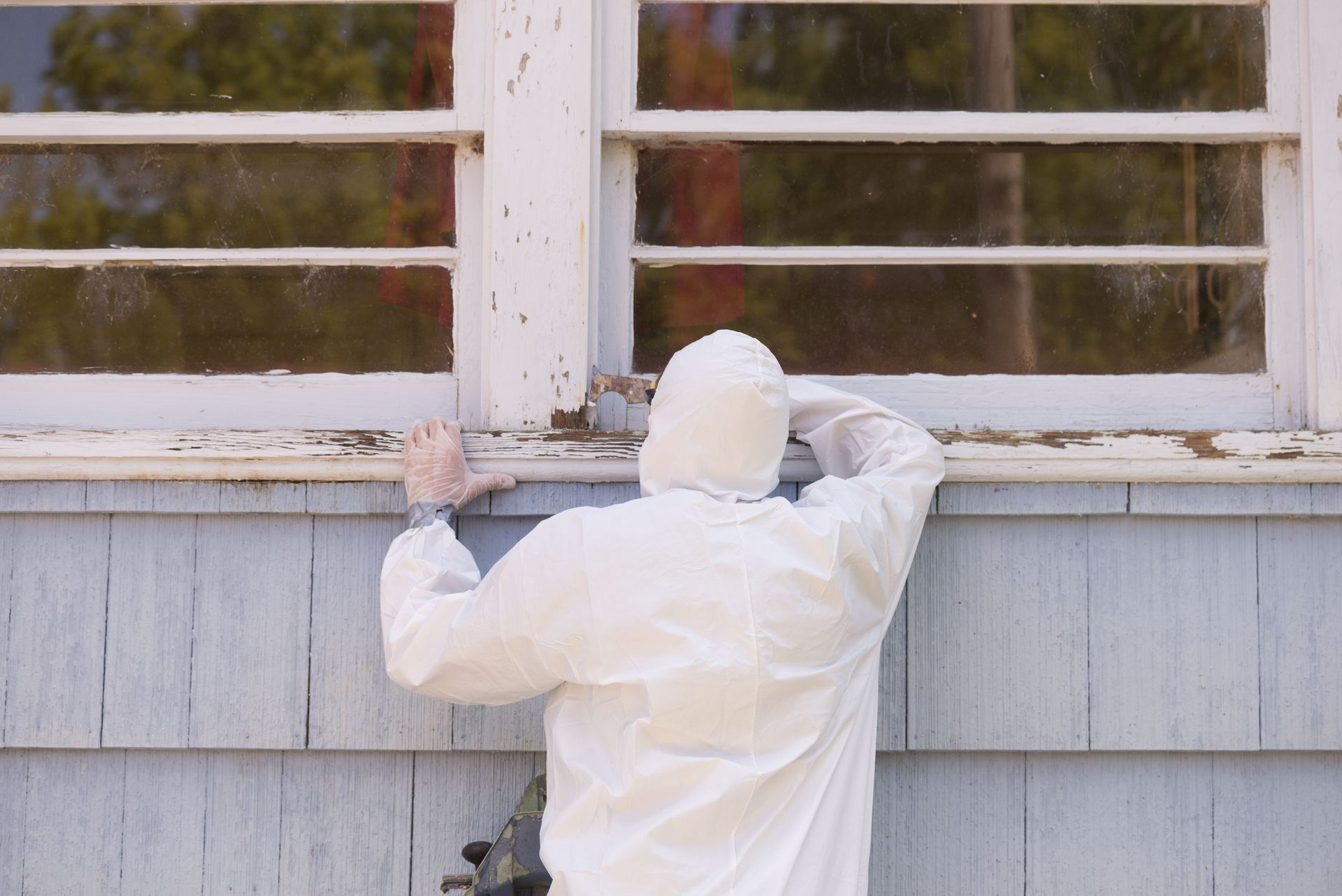
Buyers should pay close attention to painted surfaces throughout the home. Areas subject to frequent friction and wear, such as doors, windows, stair railings, trim, and exterior siding, deserve particular scrutiny. Chipping, peeling, cracking, or deteriorating paint may indicate potential contamination concerns.
While visual observations are useful, they cannot confirm whether lead is present. Professional testing remains the most reliable method for identifying hazards. Environmental specialists use approved testing methods to determine whether painted surfaces contain lead and whether remediation may be necessary.
In many cases, lead removal becomes a critical component of preparing an older home for safe occupancy. Identifying concerns before closing can help buyers avoid unexpected surprises after moving in.
Professional lead removal also helps reduce future exposure risks when maintenance projects or renovations are planned.
Evaluate Potential Asbestos Locations
Asbestos was once considered a highly desirable building material because of its heat resistance, strength, and insulating properties. As a result, it was incorporated into a wide range of construction products used in residential properties.
Older homes may contain asbestos in insulation, floor tiles, roofing materials, ceiling textures, pipe coverings, wall panels, siding products, and adhesives. Because asbestos fibers are microscopic, homeowners cannot determine whether a material contains asbestos simply by looking at it.
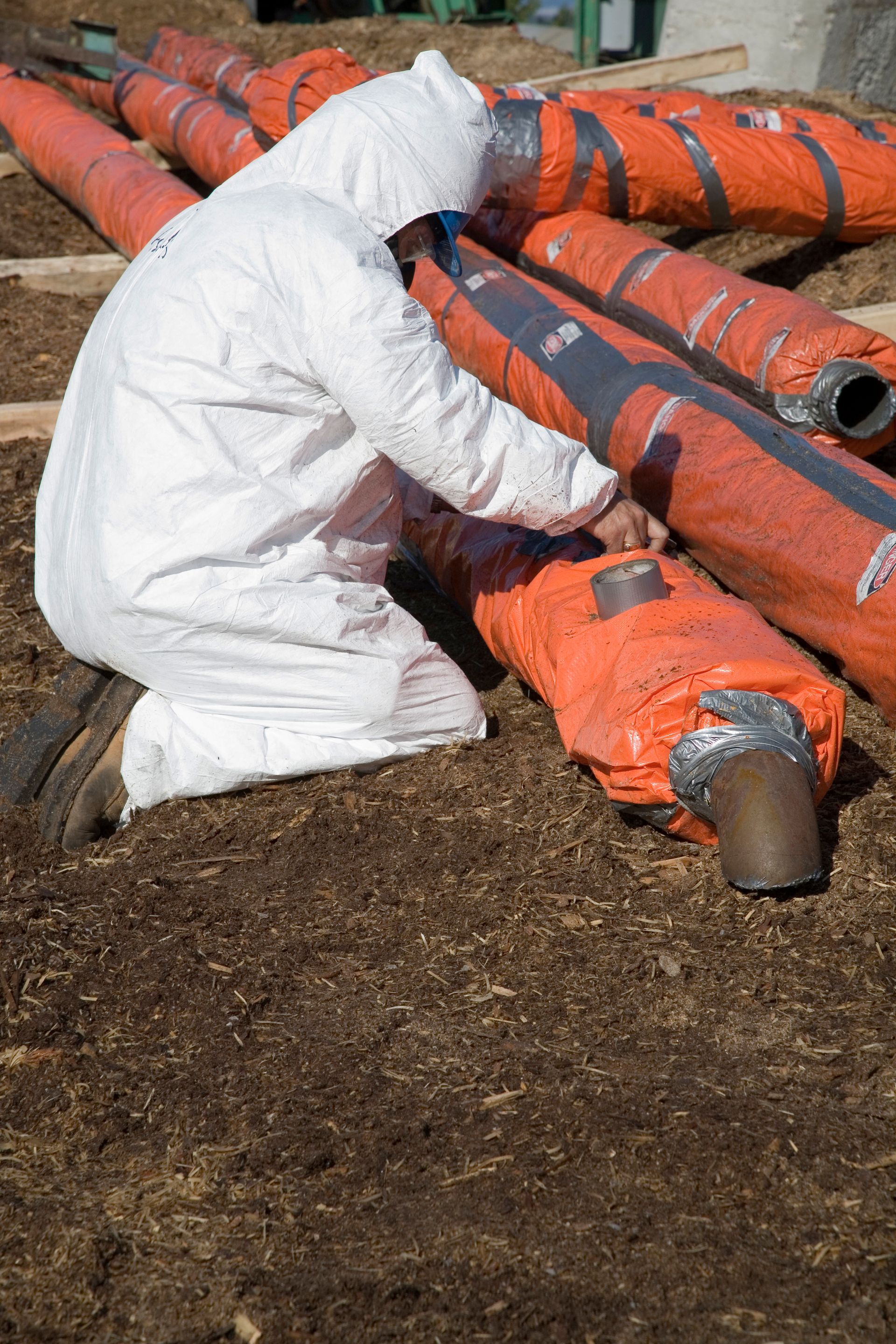
The greatest risk occurs when asbestos-containing materials become damaged or disturbed. Activities such as remodeling, demolition, sanding, drilling, or removing building materials can release fibers into the air, creating potential health concerns.
Qualified environmental professionals can collect samples and perform laboratory analysis to determine whether asbestos is present. Buyers should request any available records documenting previous inspections or remediation projects related to asbestos-containing materials.
Understanding where asbestos may exist within a home helps buyers plan future maintenance and renovation activities more safely and effectively.
Assess Health Risks for Household Members
Environmental hazards affect people differently, making it important to consider the needs of everyone who will live in the home. Certain groups may face increased risks when exposed to lead or asbestos.
Young children are particularly vulnerable because their bodies are still developing. Even low levels of exposure can create concerns, making proactive evaluation especially important for growing families.
According to the Centers for Disease Control, children should receive lead poisoning screenings at 12 months and 24 months of age. This recommendation underscores the importance of identifying and addressing potential lead hazards before a child is regularly exposed to the environment.
Families should also evaluate areas where children may spend significant time, including bedrooms, playrooms, living spaces, and outdoor areas. Potential hazards can exist in places that appear perfectly normal during a standard home tour.
Professional assessments provide valuable information that helps families make informed decisions about safety improvements and long-term occupancy plans.
Request Specialized Environmental Inspections
Many buyers assume a standard home inspection will identify all potential hazards. While home inspections provide important information about a property's condition, they are not designed to detect every environmental concern.
Specialized environmental inspections focus specifically on identifying hazards such as lead, asbestos, and contamination-related issues. These evaluations often involve sampling, laboratory testing, and detailed assessments performed by trained professionals.
Environmental inspections can help buyers understand the scope of any issues that may exist and determine whether remediation is necessary before moving forward with the purchase.
The findings may also become useful during negotiations. If hazards are discovered, buyers may request remediation, seek financial concessions, or adjust their overall purchasing strategy based on the property's condition.
Investing in environmental testing before closing can provide valuable peace of mind and help prevent unexpected expenses after ownership transfers.
Plan for Safe Renovation and Remodeling Projects
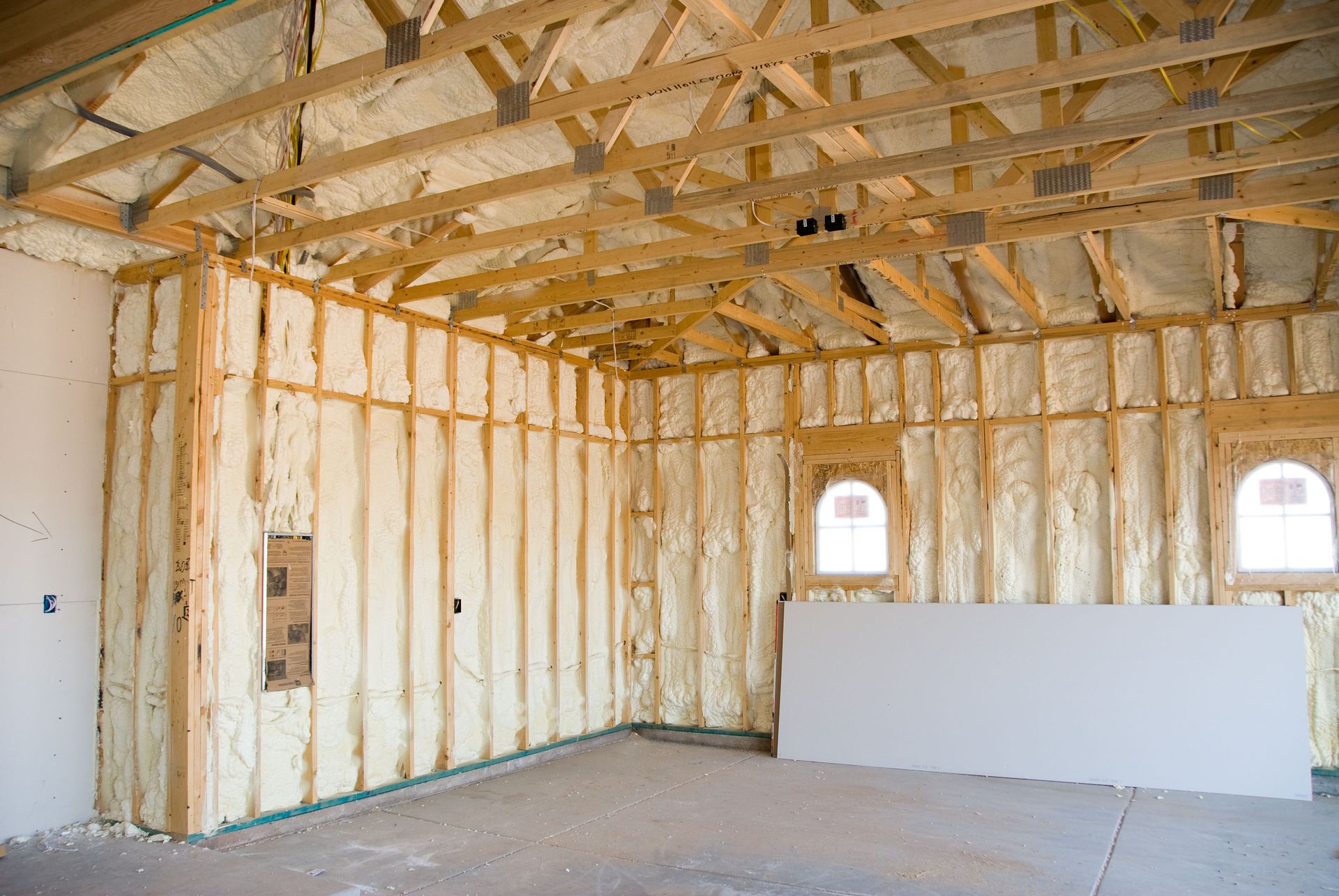
Many people purchase older homes with plans to modernize kitchens, bathrooms, flooring, or living spaces. Before beginning any renovation project, buyers should determine whether hazardous materials may be present in affected areas.
Renovation activities can unintentionally disturb lead-containing paint or asbestos-containing materials. Once disturbed, these substances may become airborne or spread throughout the home, creating additional safety concerns.
Professional lead removal services play an important role when renovations involve areas where contamination has been identified. Addressing hazards before construction begins allows projects to proceed more efficiently while reducing exposure risks.
Similarly, licensed asbestos professionals can safely manage materials that require removal or containment. Their expertise helps ensure that renovation activities comply with applicable safety requirements and environmental regulations.
Including environmental assessments in renovation planning can save both time and money while helping create a safer living environment.
When lead removal is completed before remodeling begins, contractors can often work more efficiently and with fewer interruptions.
Work With Experienced Environmental Professionals
One of the smartest decisions a buyer can make is partnering with qualified environmental experts throughout the purchasing process. These professionals possess the training, equipment, and experience necessary to identify hazards that may not be obvious during a standard property walkthrough.
Environmental specialists can explain inspection findings, answer questions, estimate remediation costs, and recommend appropriate next steps. Their guidance allows buyers to make decisions based on verified information rather than assumptions.
Whether evaluating asbestos-containing materials or coordinating lead removal services, experienced professionals help ensure that hazards are managed properly and safely.
Documentation provided by environmental experts can also prove valuable in the future. Inspection reports, testing results, and remediation records may support future property transactions, renovation projects, and maintenance planning.
Purchasing an older home can be a rewarding experience, but it requires careful due diligence. Environmental hazards such as lead and asbestos should never be overlooked simply because a property appears well-maintained or visually appealing. A thorough evaluation allows buyers to identify potential concerns before they become costly problems.
By reviewing the home's history, identifying common hazard locations, assessing family health considerations, obtaining specialized inspections, planning renovations carefully, and pursuing professional lead removal when necessary, buyers can move forward with greater confidence.
Older homes offer character and opportunity, but smart buyers recognize the importance of understanding what lies beneath the surface. Taking the time to investigate environmental conditions today can help protect both your investment and your family's future.
If you're preparing to purchase an older home and want experienced guidance with inspections, asbestos evaluations, or lead removal, contact General Contracting Group (GCG Environmental). Together, we can help ensure our home-buying journey is safer, more informed, and better prepared for long-term success.